The journal
What do the pounds mean on resistance bands?
A concise guide to what the printed pound numbers on resistance bands represent, why ranges vary, and how to compare bands across different colors and brands.
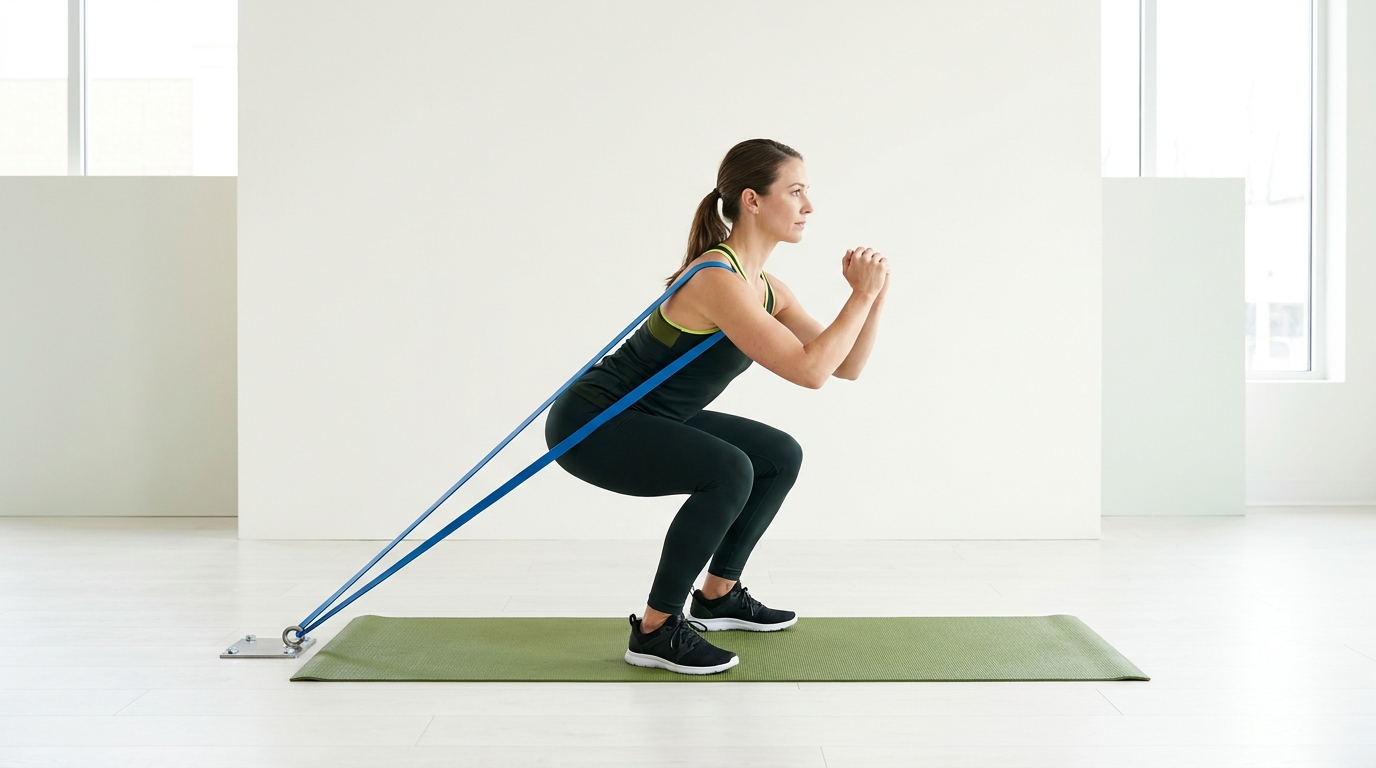
The pounds printed on a resistance band are the approximate force the band pulls back with when stretched to a specified length. They are not the same as lifting a fixed 20 lb or 50 lb dumbbell. Because tension rises as a band is lengthened, makers often list a low-to-high pound range for one band, and the exact numbers depend on the brand’s testing length and the band’s dimensions EVMT on band weight, FitBeast on resistance band weight meaning.
What the pound numbers actually measure
THERABAND’s manufacturer guidance explains that force depends on percentage elongation relative to resting length. An advertised resistance is not permission to stretch a band beyond the product’s limit or to use an unrated anchor.
Band ratings describe force from elastic stretch, not a mass under gravity. Pull the band a little and the force is lower; pull it farther and the force increases. That is why a single band can be labeled, for example, 25-65 lb: it produces a lower pull at a short stretch and a higher pull at a longer stretch EVMT on band weight. Many brands determine those numbers at specific elongations (for example, a percentage longer than the resting loop), which is why reading the maker’s chart matters EVMT on band weight, FitBeast on resistance band weight meaning.
Why labels show ranges and why colors aren’t universal
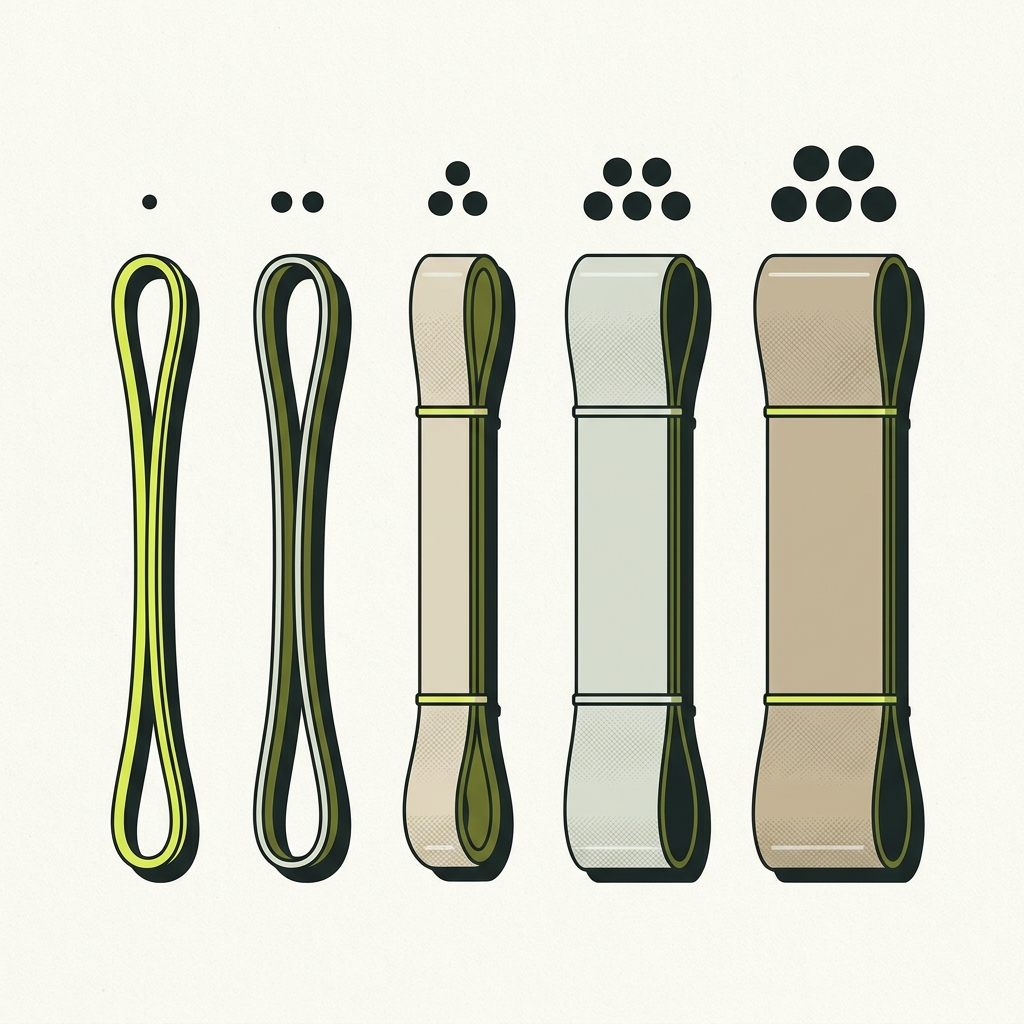
Ranges exist because band tension rises through the movement as you stretch it farther; the same band will feel lighter early in the rep and heavier near end range. Color helps organize sets, but there is no cross-brand standard. A red band at one company can be much lighter or heavier than a red at another. Always check the brand’s chart rather than assuming color equals a universal pound value FitBeast color guide, EVMT on band weight.
How to choose and compare bands in practice
- Use the maker’s tension chart for your specific set. Colors don’t translate between brands FitBeast color guide.
- Match the band to the exercise. Upper-body single-joint moves often use lighter bands than lower-body compound moves; plan for the resistance to rise at the end of the range EVMT on band weight.
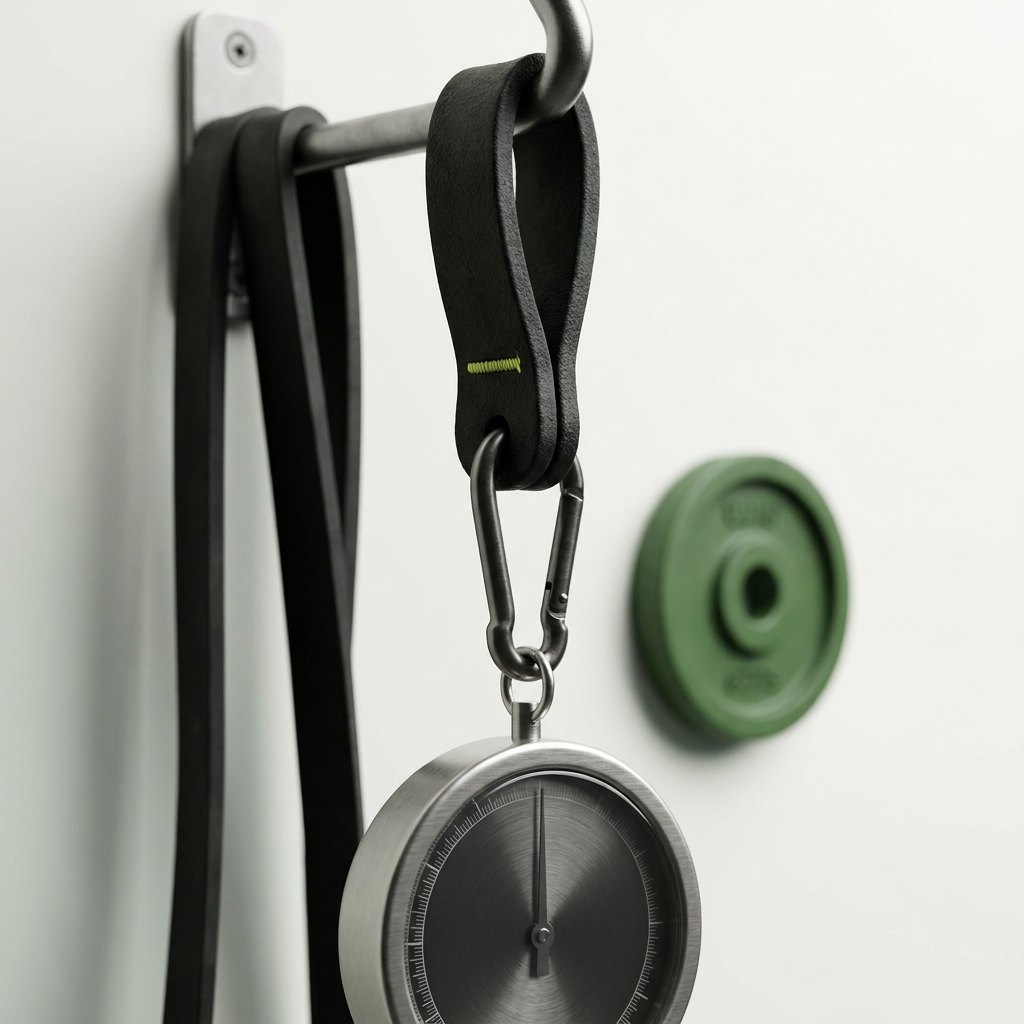
- If precise force data is necessary, ask the maker for a force-versus-elongation chart or use a qualified professional with a rated measurement setup EVMT on band weight.
Read a band’s force rating consistently
Need help with anchors and safe setups? See Where to place resistance band anchors and make a habit of periodic inspections: How often should resistance bands be checked?
Real label examples from a maker
Manufacturers often publish band-by-band ranges. For example, one latex loop set lists: Red 15-35 lb, Black 25-65 lb, Purple 35-85 lb, Green 50-125 lb. These figures apply to that brand’s bands and test method only, but they show why a single color can cover a wide span of force Egg Weights band ranges.
Common mistakes and practical limits
- Treating band pounds like dumbbell pounds. Band ratings are force-at-stretch, not fixed mass EVMT on band weight, FitBeast on resistance band weight meaning.
- Relying on color alone. Colors differ by maker; the chart for your brand is the reference FitBeast color guide.
- Ignoring setup. Anchor height, line of pull, and pre-stretch can change where a rep feels hardest and how much tension you get. Test your own setup if exact loading matters EVMT on band weight.
The pound rating is a helpful shorthand, but it’s tied to stretch length and a specific product. Use the maker’s chart to choose a starting point, then keep your setup consistent and seek suitable force measurement if precision is necessary.

FAQ
Are the pounds on bands equal to the same number of pounds on a dumbbell?
No. A band’s pounds are an estimate of pull at a given stretch, and they rise as you lengthen the band; a dumbbell’s weight is fixed throughout the rep EVMT on band weight.
Can I use color to compare bands between brands?
No. Color schemes vary. Always check the specific brand’s tension chart or compare the documented force at the same specified elongation FitBeast color guide.
Related guides
Product options for this topic
As an Amazon Associate I earn from qualifying purchases. These are researched options, not hands-on test results. Check the exact size or model, current price and availability on Amazon.
| Product option | Fit and limits to check | Retailer |
|---|---|---|
| Fit Simplify resistance loop bands, set of five | Short loop bands for suitable resistance exercises. Check the material for allergies, inspect for damage and keep stretched bands away from the face. | View on Amazon |