The journal
Common rowing mistakes on the erg and how to fix them
A practical guide to the most common indoor rowing mistakes, with clear fixes, setup tips, and short drills you can use today.
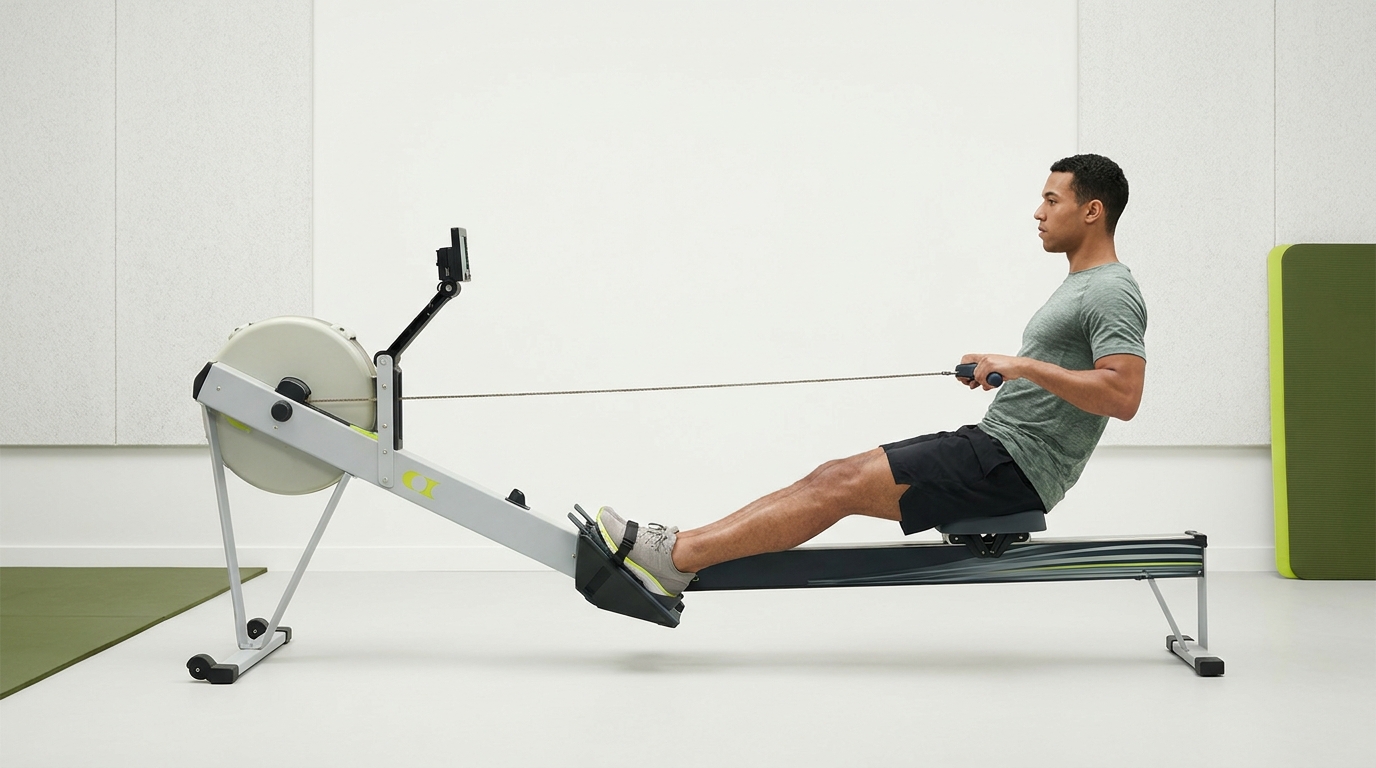
Quick answer: Common rowing mistakes on an indoor erg include pulling mostly with the arms, mixing up the stroke order, rounding the back, finishing the handle too high, rushing the recovery, over-relying on the foot straps, and over-gripping the handle. These are well-documented faults with straightforward fixes like learning legs-body-arms sequencing, sitting tall with a neutral spine, finishing the handle around the lower ribs, using a calmer 1:2 drive-to-recovery rhythm, starting with a moderate damper, and keeping wrists flat with a relaxed grip (Daily Burn: 6 rowing mistakes and fixes; Topiom: common mistakes and fixes).
Get the order right: legs, body, arms
The stroke works best when you push with the legs first, then swing the body open at the hips, and finish by pulling the handle to the lower ribs. On the way back, reverse it: arms away, body over, then slide. This keeps strain off the upper body and helps you finish in a strong position (Daily Burn: 6 rowing mistakes and fixes).
- Finish target: pull the handle to just below the ribs, not up toward the neck or face (Daily Burn).
- Recovery rhythm: aim for a calmer return at roughly a 1:2 drive-to-recovery timing to avoid slamming the seat into the front of the machine (Daily Burn).
The most common faults and how to fix each one
1) Rowing with only your arms
What happens: the handle moves early with the arms while the legs barely push. Fix: focus on a strong leg drive first. A simple cue is to keep the arms straight until the legs are nearly down, then swing the body and finish with the arms. As a rough guide, most of your power should come from the legs, with the core and arms contributing after the leg push (Daily Burn).
2) Mixing up the sequence
What happens: arms and legs fire together, or you lean back before the legs finish. Fix: drill the order legs, body, arms on the drive and arms, body, legs on the recovery. A quick self-check is whether you can calmly send the hands away before the knees bend on each recovery (Daily Burn).
3) Rounding or hunching the back
What happens: the spine collapses, shoulders creep up, and you lose leverage. Fix: sit tall with a neutral spine, shoulders down and back, and the core engaged throughout the stroke (Daily Burn).
4) Finishing the handle too high
What happens: you pull toward the throat or face, flaring the elbows. Fix: finish low at the bottom of the ribs with elbows brushing past the sides. This keeps the chain path level and repeatable (Daily Burn).
5) Rushing the recovery and seat slamming
What happens: the seat bangs into your heels and the stroke feels frantic. Fix: slow the slide and keep a 1:2 drive-to-recovery ratio so the return is calmer and more controlled (Daily Burn).
6) Over-reliance on foot straps and excessive layback
What happens: you tip back and use the straps to yank yourself forward, or the hips shoot backward and the upper body jerks to catch up. Fix: engage your core so the hands and feet stay connected, and keep the layback modest. Practicing a few strokes with the straps loosened or feet out can highlight good finishes and smoother timing, but use care and start with short bouts (Daily Burn; asensei: feet-out rowing benefits and pitfalls).
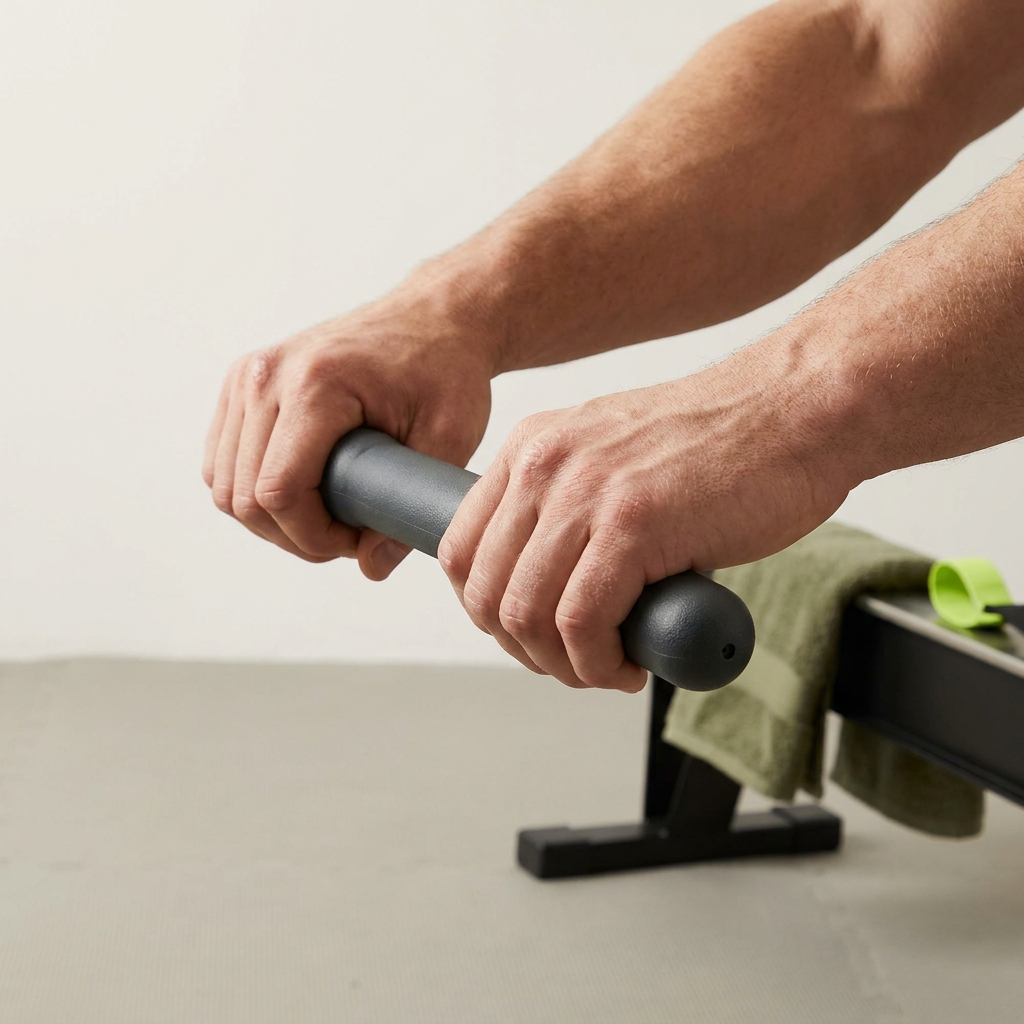
7) Over-gripping and bent wrists
What happens: a death grip and cocked wrists create tension and a wobbly handle path. Fix: hold the handle with relaxed fingers, thumbs under, and flat wrists for a smooth pull and release (Topiom: common mistakes and fixes).
Setup mistakes that change how the stroke feels
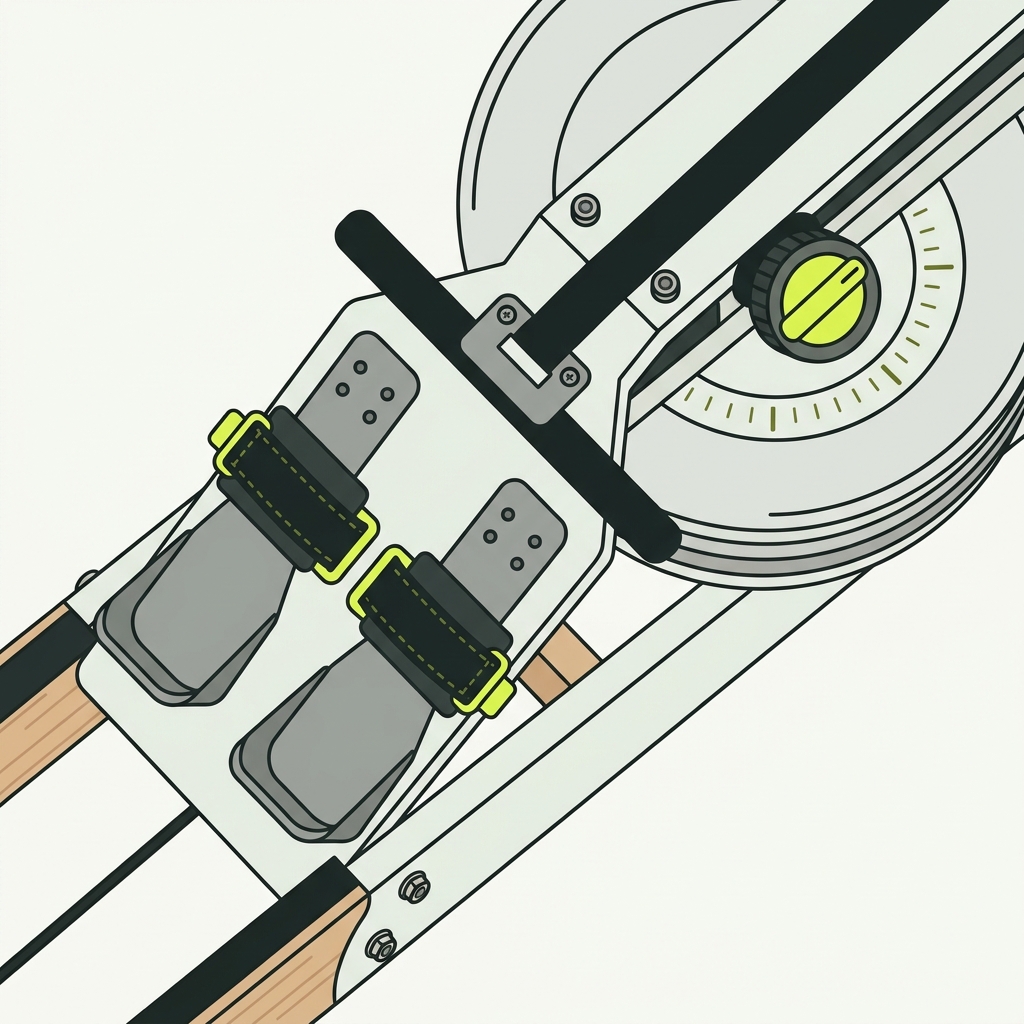
Damper that is set too high
Cranking the damper lever up can make the stroke feel heavy and exhaust you early without helping technique. Treat it like bike gears: new and technique-focused rowers can start around 3 to 5 to learn smooth sequencing before experimenting higher (Daily Burn). A steady technique at a moderate setting usually makes it easier to ingrain good habits.
Small equipment tweaks can also help you sit tall and stay consistent. Adjust the monitor to eye level and secure the straps so your feet feel connected but not pinched (Topiom).
Pre-row setup and form checkpoints
Short drills to groove better form
- Legs-body-arms progression: row 5 strokes legs-only, 5 strokes legs+body, then 10 full strokes. Repeat for 2-3 rounds to reinforce order.
- Timing focus: row 1 minute emphasizing a quick, powerful drive and a calmer 2-count recovery to feel the 1:2 rhythm (Daily Burn).
- Feet-out sampler: for 30-60 seconds, row with straps loosened or feet out to encourage a stable, braced finish and smoother transition into the recovery; keep the layback modest and stop if you feel unstable (asensei; Topiom).
Helpful extras from Rep & Range
- What are some good 5-minute warm-ups to do before lifting weights? for quick pre-row warm-up ideas.
- How to choose a foam roller if you like to loosen up before technique work.
FAQ
What damper setting should I use while learning?
Treat the damper like bike gears. Start around 3-5 so the stroke feels smooth and you can focus on sequencing before adding heavier feel (Daily Burn).
Where should the handle finish?
Pull to just below the ribs with elbows brushing past the sides, not up toward the neck or face (Daily Burn).
Is rowing with feet out useful?
Occasionally practicing with feet out or straps loosened can encourage a stable finish and smoother recovery timing, but use caution and keep the bouts short while you learn (asensei).

Put it together by prioritizing the stroke order, sitting tall, and keeping the recovery calm. A few minutes of focused practice each session will correct most common faults and make every stroke feel better.