The journal
How to choose a foam roller: the factors that matter
A practical guide to picking a foam roller by density, texture, size, shape and construction, with test tips, safety notes and a quick checklist.
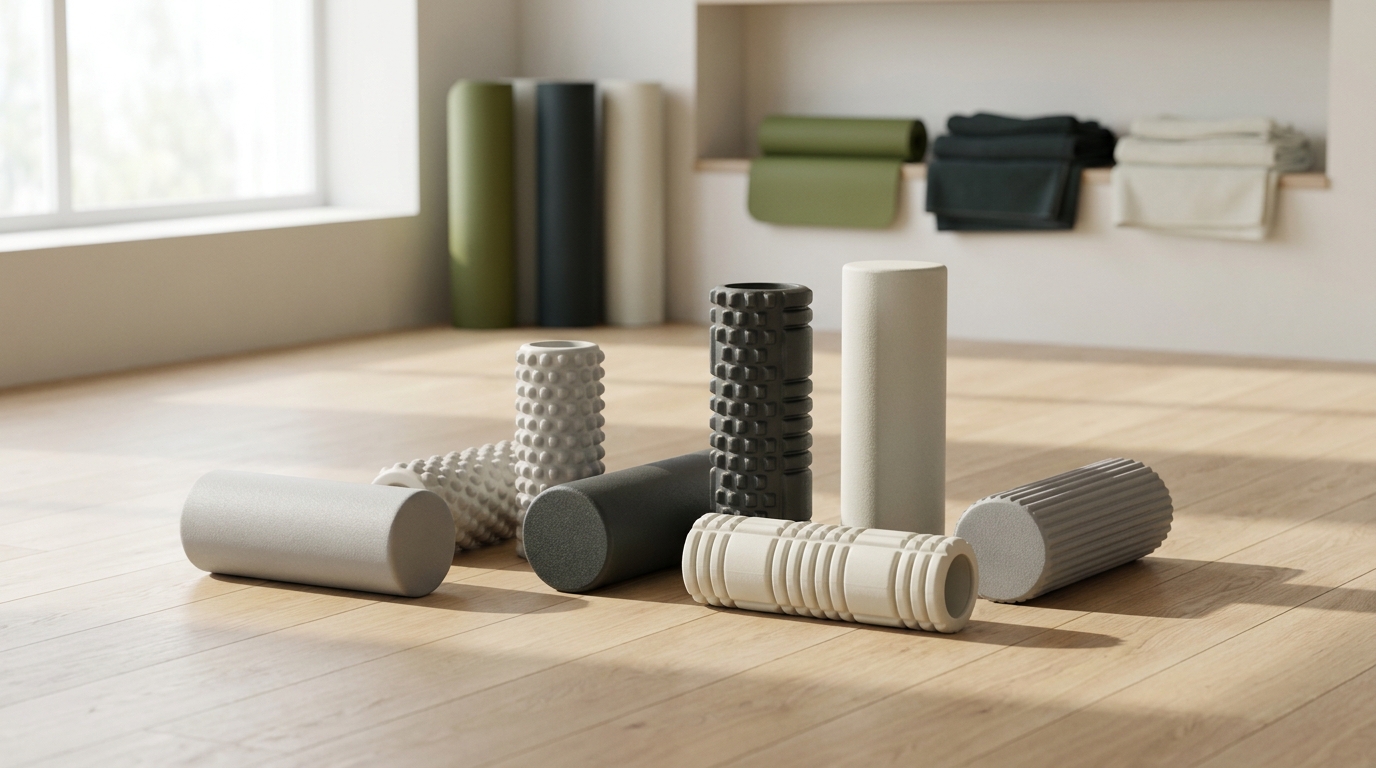
Choose a foam roller by matching density (soft to firm) to your pressure tolerance, picking a surface texture (smooth vs textured) that fits how targeted you want the pressure, and selecting a length, diameter and shape that suit the areas you’ll roll and the space you have. Check construction (solid vs hollow core), cleaning ease and return options before you buy (https://www.runnersneed.com/expert-advice/gear-guides/how-to-choose-the-best-foam-roller.html) (https://www.harisonfitness.com/foam-roller-how-to-choose-use-and-care-for-one-in-your-home-gym/?srsltid=AYCX9vJc3Gv8ta7ogWLFsgDMV1tds4aK5fCw3oU_SCeOf7qhci0BfXVs).
Key factors and how to match them to your needs
Density and firmness
Density sets intensity. Softer (low-density) rollers feel gentler and are often more comfortable for beginners or sensitive areas. Medium density balances comfort and effectiveness for most people. Firm (high-density) rollers deliver deeper pressure and suit experienced users who tolerate higher intensity (https://www.runnersneed.com/expert-advice/gear-guides/how-to-choose-the-best-foam-roller.html). If unsure, start softer and progress only if you tolerate it well (https://www.harisonfitness.com/foam-roller-how-to-choose-use-and-care-for-one-in-your-home-gym/?srsltid=AYCX9vJc3Gv8ta7ogWLFsgDMV1tds4aK5fCw3oU_SCeOf7qhci0BfXVs).
Surface texture
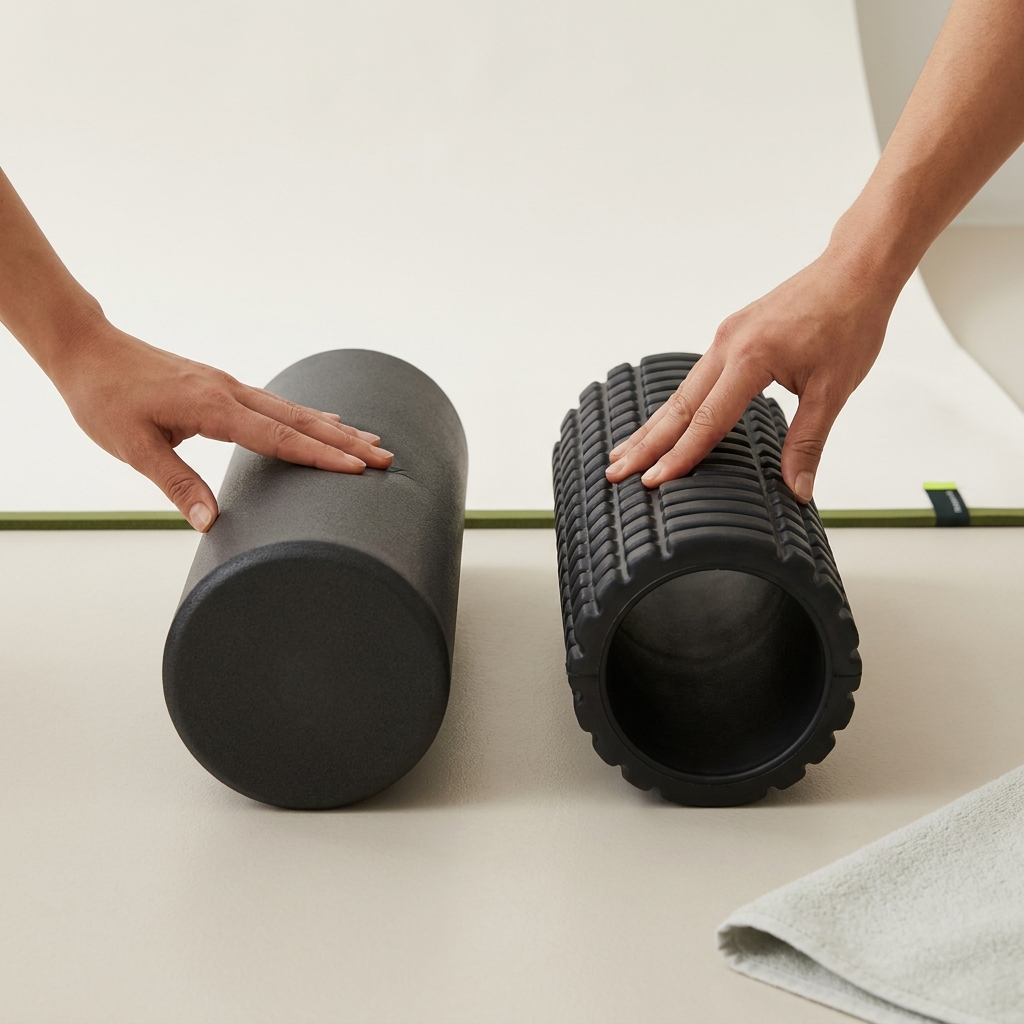
Smooth rollers spread pressure evenly for a consistent, milder feel. Textured rollers (with ridges or grids) concentrate force into smaller contact points, which can feel more intense and help you target specific tight spots if you already tolerate pressure well (https://www.runnersneed.com/expert-advice/gear-guides/how-to-choose-the-best-foam-roller.html). If you want the gentlest start, choose smooth; if you want more targeted pressure, try textured.
Size, shape and stability
Length affects coverage and portability. Short rollers are easy to pack and focus on single limbs; mid-length options are versatile for everyday use; long rollers offer the most support and are often chosen for back work and Pilates-style setups (https://www.harisonfitness.com/foam-roller-how-to-choose-use-and-care-for-one-in-your-home-gym/?srsltid=AYCX9vJc3Gv8ta7ogWLFsgDMV1tds4aK5fCw3oU_SCeOf7qhci0BfXVs). Diameter also matters: standard diameters are easiest to control, while smaller diameters sit you closer to the floor and can feel more targeted but potentially more intense (https://www.runnersneed.com/expert-advice/gear-guides/how-to-choose-the-best-foam-roller.html).
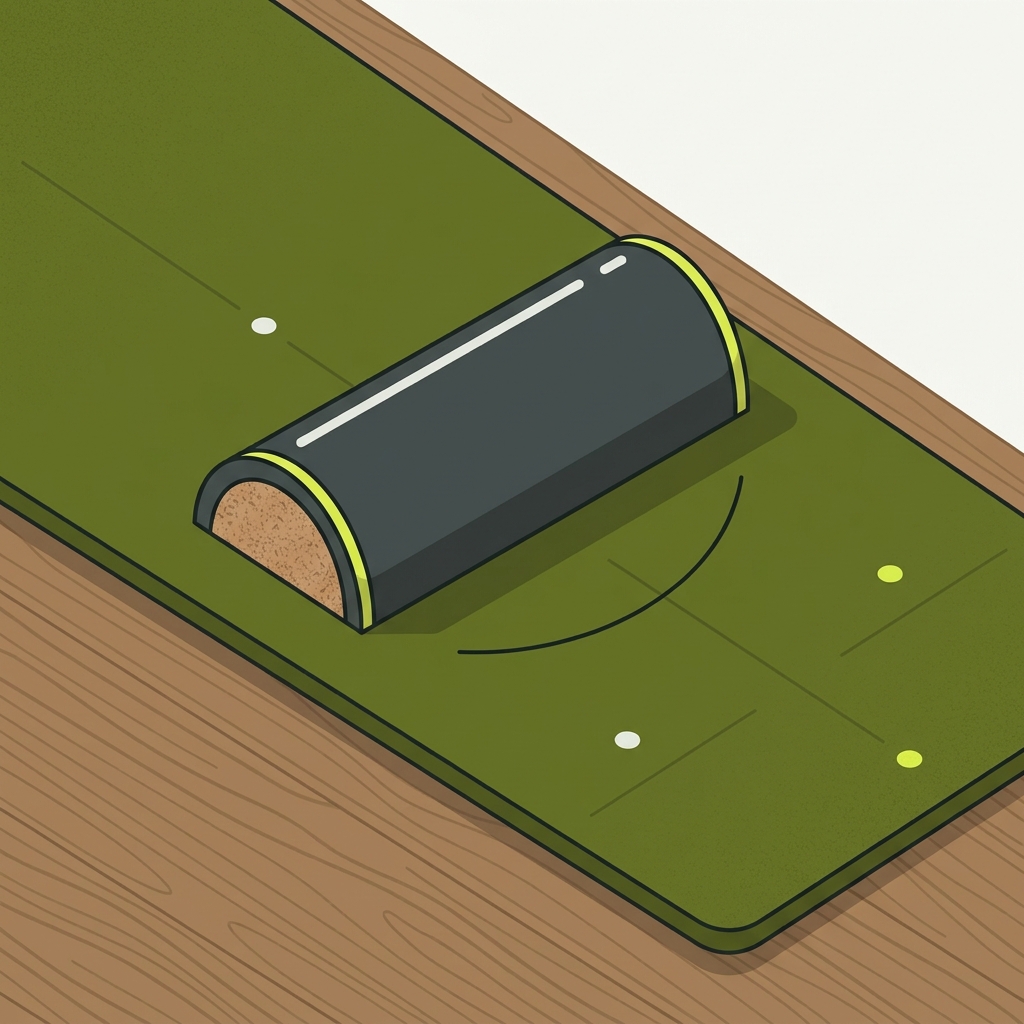
Shape influences stability. Fully round cylinders are best for general rolling. Half-round or balance-oriented designs provide a steadier platform for stability or core-focused work if you don’t want the tool to move much (https://www.harisonfitness.com/foam-roller-how-to-choose-use-and-care-for-one-in-your-home-gym/?srsltid=AYCX9vJc3Gv8ta7ogWLFsgDMV1tds4aK5fCw3oU_SCeOf7qhci0BfXVs).
Construction and care
Solid foam rollers are simple and durable; hollow-core rollers wrap foam around a rigid tube and can feel stiffer while staying relatively light to move and store (https://www.harisonfitness.com/foam-roller-how-to-choose-use-and-care-for-one-in-your-home-gym/?srsltid=AYCX9vJc3Gv8ta7ogWLFsgDMV1tds4aK5fCw3oU_SCeOf7qhci0BfXVs). Smooth surfaces tend to wipe clean more easily, which is useful if you roll after sweaty sessions (same source).
Where and how you’ll use it
Plan for your space and storage. A mid-length roller fits under beds or on shelves, while long rollers may need vertical closet storage. If you’re ordering online, review density, length and surface photos closely, and prefer retailers with clear return policies in case the feel isn’t right (https://www.harisonfitness.com/foam-roller-how-to-choose-use-and-care-for-one-in-your-home-gym/?srsltid=AYCX9vJc3Gv8ta7ogWLFsgDMV1tds4aK5fCw3oU_SCeOf7qhci0BfXVs).
Try before you buy (or buy smart online)
Simple in-person tests
If you can test in store, press the roller firmly with your palm to gauge give, then perform a brief, slow roll over a small area (like a calf) to sense pressure and how stable it feels. Swap to a smoother or softer model if the intensity is too high.
Online buying tips
Check the spec for density, length and texture, scan close-up photos for surface patterns, and confirm cleaning guidance and returns. If the roller arrives and feels too intense, exchanging for a lower density or smoother surface is usually the easiest fix (https://www.harisonfitness.com/foam-roller-how-to-choose-use-and-care-for-one-in-your-home-gym/?srsltid=AYCX9vJc3Gv8ta7ogWLFsgDMV1tds4aK5fCw3oU_SCeOf7qhci0BfXVs).
Safety and sensible limits
Roll muscles, not joints or bony areas. Start with light pressure and move slowly; pause briefly on tender spots if comfortable. Avoid rolling acutely injured tissues, and stop if you feel sharp or shooting pain. If you’re unsure after an injury, check with a qualified clinician before using the roller (https://www.runnersneed.com/expert-advice/gear-guides/how-to-choose-the-best-foam-roller.html). For very pinpoint areas, a massage ball or stick can be an alternative to reach small spots you can’t access well with a cylinder (https://www.harisonfitness.com/foam-roller-how-to-choose-use-and-care-for-one-in-your-home-gym/?srsltid=AYCX9vJc3Gv8ta7ogWLFsgDMV1tds4aK5fCw3oU_SCeOf7qhci0BfXVs).
Foam roller buying and testing checklist
Related guides
Warm up smarter before you roll or lift: What are some good 5-minute warm-ups to do before lifting weights?
Another quick buying framework: How to choose weight for resistance bands.
Quick FAQs
What firmness is best for a first roller?
A soft or medium-density roller is a comfortable starting point; increase firmness only if you tolerate more pressure well (https://www.runnersneed.com/expert-advice/gear-guides/how-to-choose-the-best-foam-roller.html).
Which length should I choose for back work?
Long rollers provide the most support for back rolling and are commonly chosen when you want more stability across the torso (https://www.harisonfitness.com/foam-roller-how-to-choose-use-and-care-for-one-in-your-home-gym/?srsltid=AYCX9vJc3Gv8ta7ogWLFsgDMV1tds4aK5fCw3oU_SCeOf7qhci0BfXVs).

Related guides
Product options for this topic
As an Amazon Associate I earn from qualifying purchases. These are researched options, not hands-on test results. Check the exact size or model, current price and availability on Amazon.
| Product option | Fit and limits to check | Retailer |
|---|---|---|
| TriggerPoint GRID 1.0 foam roller, 13-inch | A compact roller for self-directed mobility routines. Keep pressure comfortable and avoid injured areas; it is not a treatment for unexplained pain. | View on Amazon |