The journal
What angle should you use on an incline bench?
A clear, practical answer to the best incline bench angle, how angle changes muscle emphasis, and a one-session test to find your ideal setting.
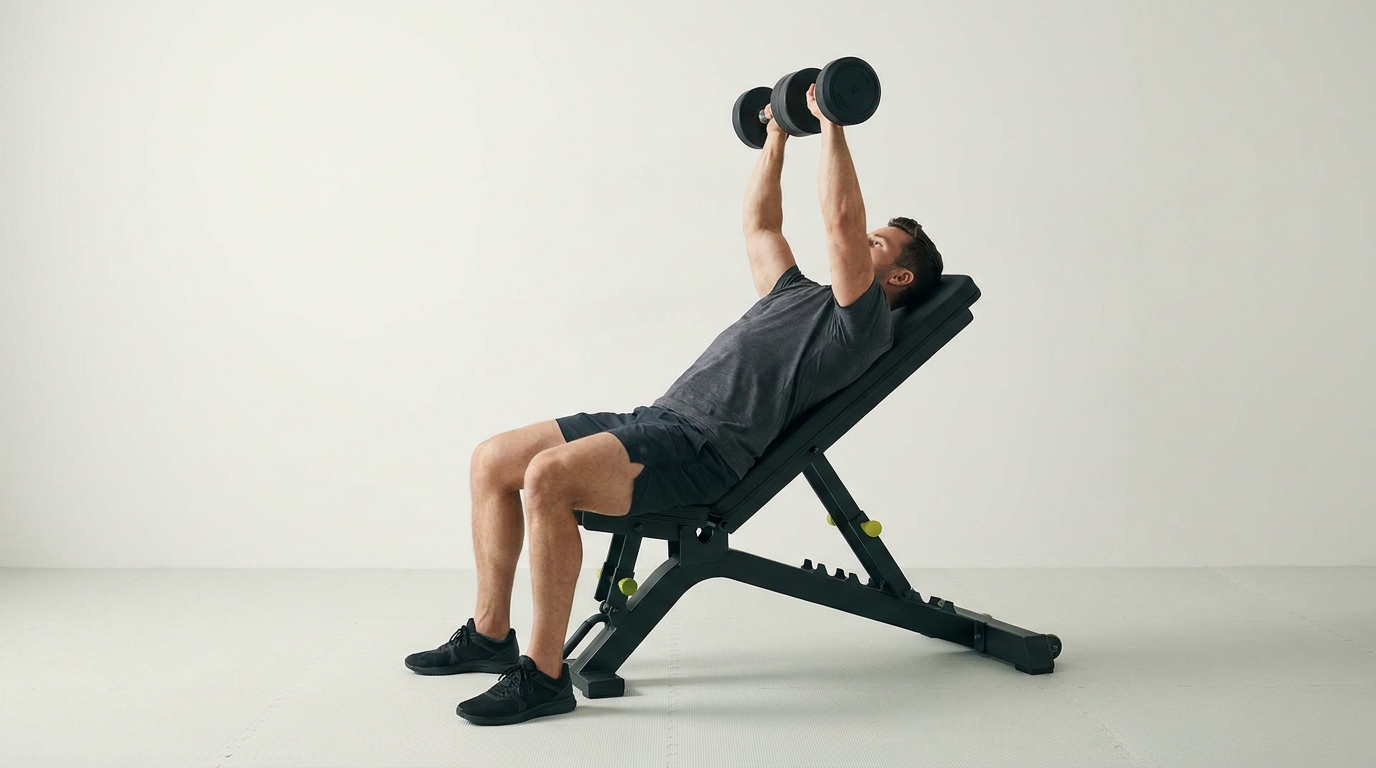
Start at about 30 degrees for an incline bench press if your goal is the upper chest, then test within a practical 15 to 45 degree range to see what feels strongest and pain-free. Steeper than about 60 degrees is closer to a seated shoulder press than a chest press. These targets are consistent with coaching guidance that favors 30 degrees for upper-chest bias and acknowledges that higher inclines shift work to the front deltoid Athlean-X guide, Bells of Steel angle overview.
Why 30 degrees is a strong default
Inclining the bench changes the line of pull so the clavicular (upper) fibers of the pecs do more work than on flat. Around 30 degrees typically emphasizes those fibers without letting the front deltoid dominate, which is why many coaches recommend it as the first stop for chest-focused incline pressing Athlean-X guide, Bells of Steel angle overview.
How angle changes muscle emphasis
- Low incline (about 15-20 degrees): feels close to flat pressing, with a slight shift toward the upper chest while still keeping plenty of mid-pec involvement Bells of Steel angle overview.
- Classic incline (about 30 degrees): strong upper-chest emphasis with manageable shoulder involvement; a reliable default for most lifters Athlean-X guide, Bells of Steel angle overview.
- High incline (around 45 degrees): work splits more with the front deltoid, so it can be useful when you want more shoulder involvement alongside the upper chest Bells of Steel angle overview.
- Very steep (about 60 degrees and up): functions like a supported overhead press where the anterior deltoid leads; not a chest-focused incline anymore Bells of Steel angle overview.
Find your best setting in one session
Simple three-angle test
- Set the bench to three positions you can reproduce, for example 15, 30 and 45 degrees.
- Use a moderate load that allows 6-10 controlled reps with steady form.
- At each angle, brace your feet, retract and depress your shoulder blades, and press to the upper chest rather than toward the face. This helps keep the upper chest in play and reduces front-delt takeover Athlean-X guide.
- Note where you feel the work: upper chest vs front of shoulder; also note any irritation.
- Pick the angle that gives clear upper-chest emphasis with a stable bar or dumbbell path and no pain. If discomfort shows up, stop and try a shallower angle or seek qualified advice Athlean-X guide.
How to measure your bench angle
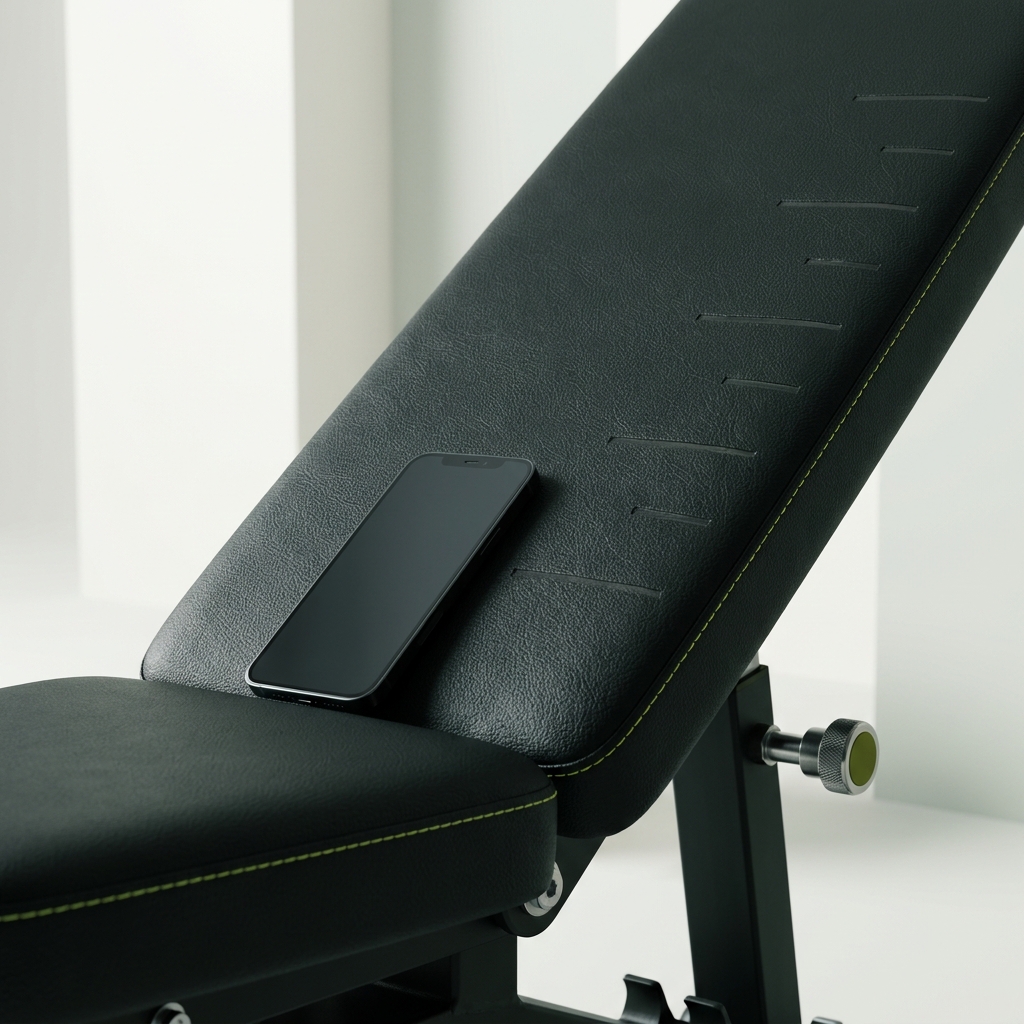
If your bench lacks clear markings, you can check the angle with a smartphone level app by placing the phone flat on the back pad. Consistent angles make your training more repeatable across weeks Bells of Steel angle overview.
Quick checklist: set and test your incline angle
Key setup cues and common mistakes
- Scapula set: squeeze shoulder blades back and down before each set to reduce front-delt dominance and put the pecs in a stronger position Athlean-X guide.
- Bar/dumbbell path: lower to the upper chest (top of sternum), not toward the face, especially at 30 degrees Bells of Steel angle overview.
- Seat support: set the seat so you don’t slide at steeper angles; stability helps you judge the angle accurately Bells of Steel angle overview.
- Stop signals: if an angle provokes pain, don’t push through it. Reduce the incline or switch to the angle that’s comfortable and steady Athlean-X guide.
Programming tips and when to change angles
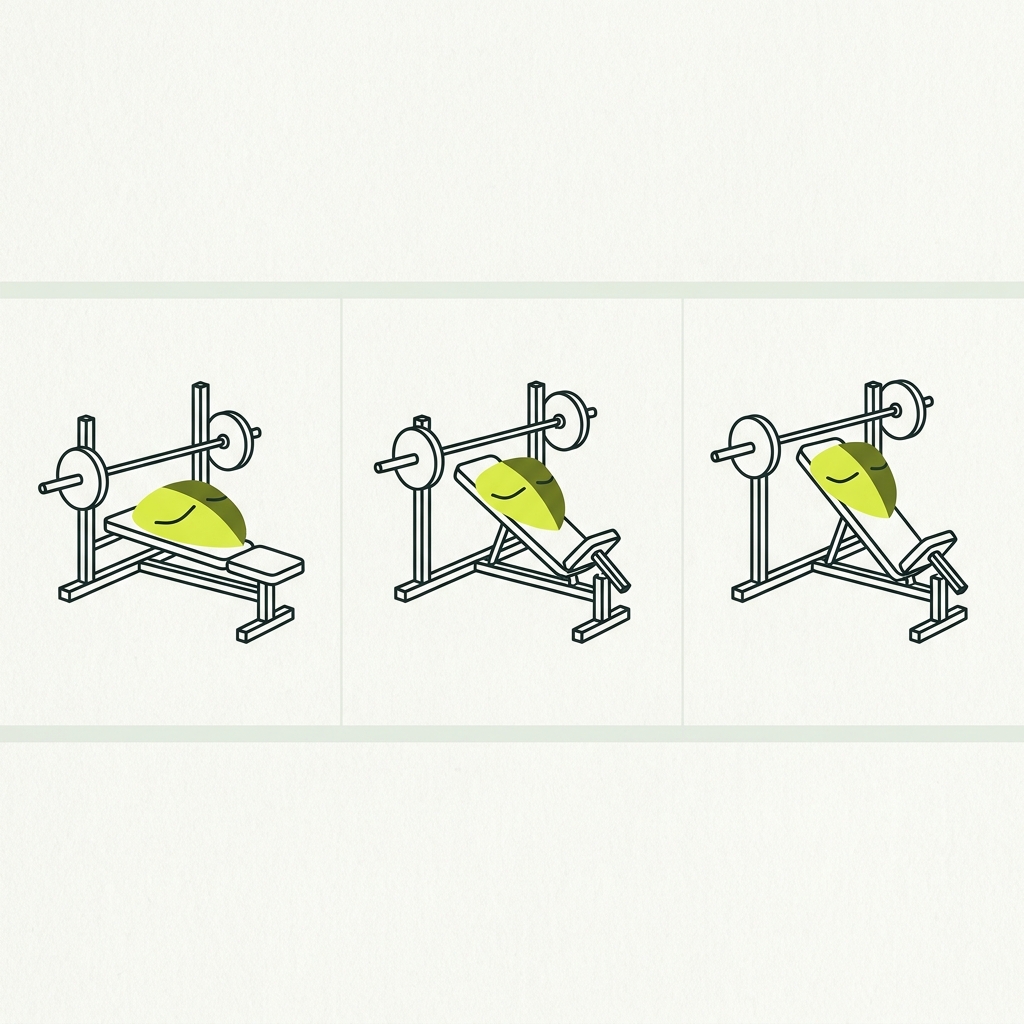
- Run one “primary” incline angle (often 30 degrees) long enough to progress it before rotating; changing angles too often can dilute adaptation Bells of Steel angle overview.
- Add a secondary angle occasionally (for example, a low incline on a lighter day) if it supports your goal Bells of Steel angle overview.
- Re-test if your goals, shoulder comfort or equipment change.
Shopping for a bench that actually hits these angles? See our buying guide: What is the best gym bench for home use? And for recovery between sets while you test angles, read How long should I wait between sets for strength-training?
FAQs
Is 30 degrees the best angle for everyone?
No. It’s a strong starting point for upper-chest emphasis, but you should test 15-45 degrees and pick what is stable, pain-free and best matches your goal Athlean-X guide, Bells of Steel angle overview.
Will a steeper incline train my shoulders more?
Generally yes. As you approach about 45 degrees, the front deltoid contributes more, and at roughly 60 degrees and up you’re effectively doing a supported shoulder press Bells of Steel angle overview.
How can I tell what angle my bench is?
Use a bench with permanent angle markings, or place a smartphone level app on the back pad to measure the incline so you can reproduce it each session Bells of Steel angle overview.

A useful next step
For the room around your bench, Home by Doing explains how to protect flooring from furniture contact. Equipment placement and floor protection are separate from exercise technique. Stop furniture from scratching floors: protectors that work and safe moves.