The journal
What is the best gym bench for home use? A practical buying guide
how to choose a workout bench: clear steps to pick a safe, space-efficient bench with the right load capacity and adjustability for your home gym.
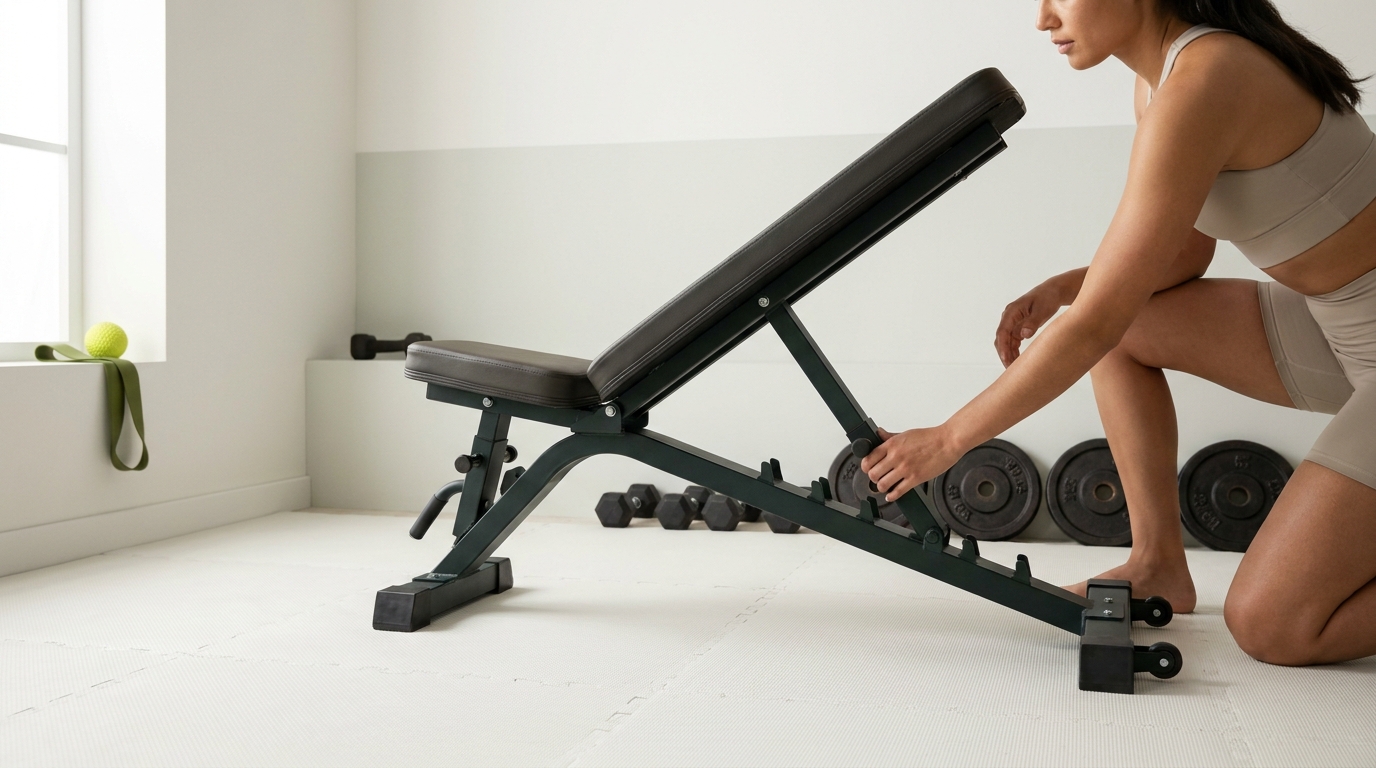
Quick answer: which bench is right for most home gyms
If you want a single, practical rule, choose a bench with a verified weight rating that comfortably exceeds your body mass plus the maximum external load you plan to lift, paired with a robust adjustment system and a pad size that supports stable foot drive and comfortable pressing. This simple priority covers most safety and performance needs while buying for a home gym, and it reflects expert buying guidance for home equipment ACE exercise resources.
Short summary recommendation
Choose a bench whose stated capacity exceeds your bodyweight plus the weights you will lift, prefer ladder or heavy-duty pop-pin adjustments if you will change angles often, and avoid very light foldable models if you plan heavy loading. Verify recent safety notices and recalls before purchase as part of your final check CPSC recall listings.
What matters most when choosing a weight bench for home use?
Match bench capacity to your body plus planned load, ensure secure adjustment hardware and fit the bench dimensions to your rack and body for safe, effective pressing.
Short summary recommendation
For most home lifters who want a balance of versatility and stability the best gym bench for home use is an adjustable bench built on a heavy frame with a ladder-style back support or a high-quality pop-pin system, dense pad, and a rated capacity well above the combined lifter and load. This recommendation emphasizes both lifting safety and the value of being able to press at flat and incline angles for muscle variety Wirecutter best bench guide and BarBend's bench roundup.
Who should pick which type
If you primarily do heavy barbell pressing and short-range strength work, prioritize rigidity and a high max load rating; if you want a single piece that supports many exercise angles, prioritize a durable adjustable bench; if you have very limited floor space and light loads, a foldable bench can be acceptable but know it usually trades rigidity for compactness Wirecutter best bench guide.
Core buying framework: safety, load capacity, adjustability, ergonomics, space
This section gives a repeatable checklist to inspect any bench listing or product page. Start with safety and load capacity, then confirm adjustment type, pad dimensions and whether the bench fits your rack and room. Use the short calculator tool below to convert your body mass and planned external load into a minimum bench capacity.
calculate a safe minimum bench capacity
Minimum rated capacity:
Assumes inputs in the same unit and a conservative safety margin
Step-by-step safety checks
- Check the stated maximum load on the manufacturer page or label and confirm the number applies to static and dynamic loads where provided.
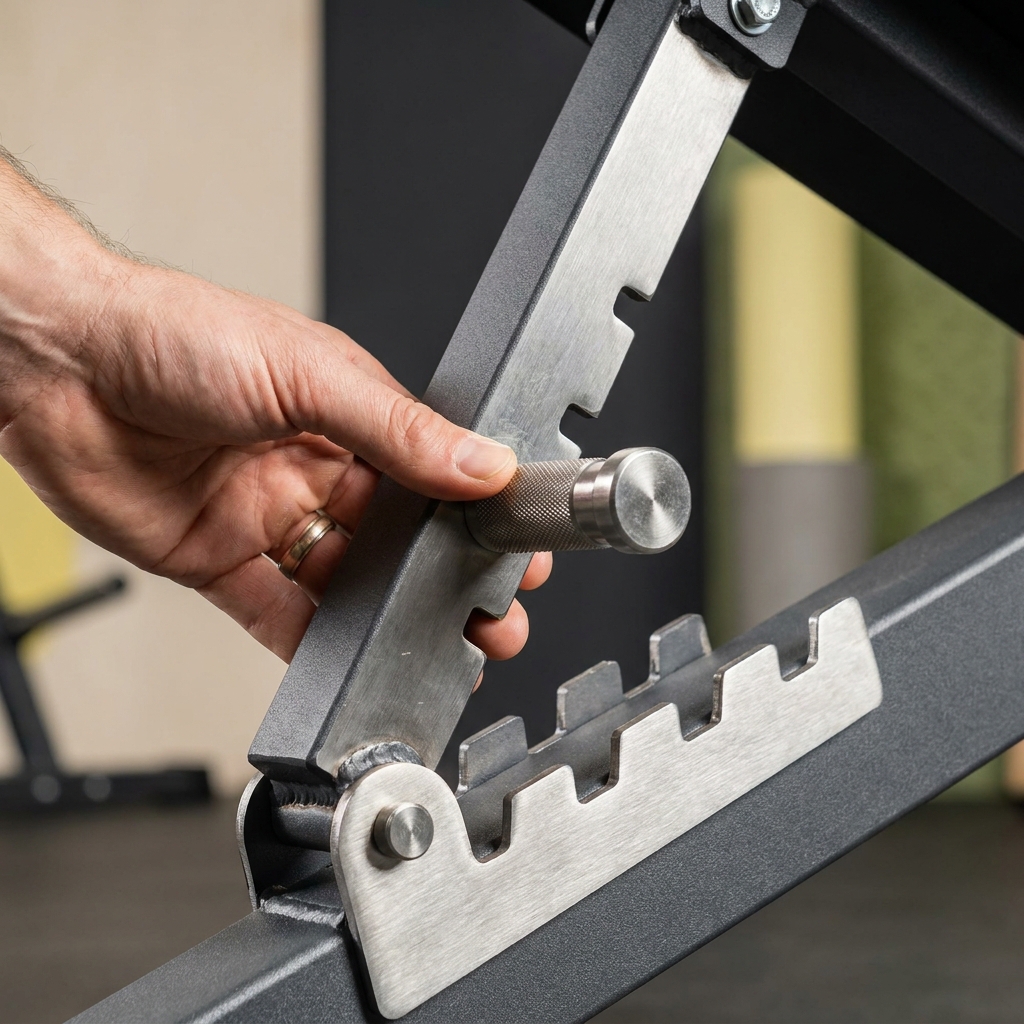
- Inspect adjustment hardware type. Ladder systems provide micro-step positions; heavy-duty pop-pins are common and durable, but cheap pins can slip. When a listing mentions weld quality or thick steel gauge that supports load claims, treat that as a positive sign. Relevant safety notices and recall histories should also be checked before ordering CPSC recall listings.
- Confirm non-slip feet and a stable base; a wide base reduces wobble and improves safety when you press heavy.
How to calculate required load capacity
- Decide the heaviest external load you will press (bar plus plates, or dumbbell pair total).
- Add your body mass if you expect to use foot drive against the bench for certain lifts.
- Add a safety margin. Many experts suggest choosing a bench with a capacity 20 to 50 percent above the combined number to allow for dynamic stress and long-term durability ACE exercise resources.
Define technical terms briefly: max load is the manufacturer's stated maximum static capacity; locking mechanism means the device that fixes an angle; pop-pin refers to the removable pin that drops into holes; ladder adjustment is the stepped bar with fixed notches.
Bench types compared: flat, adjustable, heavy-duty, and foldable
Flat benches are simple, stable and often rated for higher loads because they lack moving joints. They are a good choice if you focus on heavy barbell or dumbbell pressing on a single plane. Flat benches are mechanically simpler and often less expensive for a given load rating Wirecutter guide and GarageGymLab's picks. See specific bench examples on our equipment pages bench listings.
Flat benches
Pros: high rigidity, fewer failure points, usually higher load ratings. Cons: less exercise variety; you will need a separate incline solution or an adjustable bench to hit upper chest angles.
Adjustable (incline/decline) benches
Adjustable benches let you change angle for flat, incline and sometimes decline work. This variety changes muscle activation and supports broader upper-body development, so many lifters find an adjustable bench more useful for long-term training goals Review on bench angle and muscle activation.
Adjustable benches differ by adjustment hardware: ladder-style racks let you pick precise increments and are common on heavy-duty models; pop-pins are convenient for quick changes and can be very durable if well made. When you plan frequent angle changes, prefer heavier frames and proven adjustment hardware.
Foldable and compact models
Foldable benches are designed for storage and small spaces. They are often lighter and can be convenient for apartment gyms, but comparative testing and reviews suggest they tend to have lower maximum load ratings and can display more flex under heavy loads than heavier fixed or commercial-style benches Wirecutter testing and reviews. For advice on small-space setups see our small space guide and external reviews like Garage Gym Reviews.
When to choose which type: choose a flat heavy bench if you mainly press heavy and want a simple, durable platform; choose an adjustable heavy bench if you want angle variety plus good load capacity; accept a foldable bench only if you truly need the compact footprint and will not regularly lift near a heavy maximum.
Adjustability, biomechanics and why bench angle matters
Changing the bench angle alters which muscles contribute most to a press. Studies show that incline versus flat presses shift emphasis between the pectoralis major and anterior deltoid, which is why an adjustable bench is valuable if you train for balanced development EMG study on bench angle effects.
For practical buying guidance, if your training aims include both strength and hypertrophy across the chest and shoulders, an adjustable bench with reliable, repeatable angle stops will let you apply progressive overload to multiple muscle regions without needing separate benches.
How angle changes muscle activation
Flat presses emphasize the mid and lower fibers of the pectoralis major and allow more direct, horizontal application of force. Incline presses shift activation to upper chest fibers and the anterior deltoid. Choose bench angles for the exercises in your programme and your own comfortable range of motion. A general research database is not evidence for a specific angle recommendation.
What adjustability hardware to prefer
Check that the adjustment mechanism engages fully at every position. Follow the manufacturer's load rating and assembly instructions. Competition bench dimensions are a separate standard, described in the IPF technical rules; they do not certify a home bench's adjustment hardware.
Practical angle recommendations: for maximal barbell strength focus more time on near-flat to slight decline for competition-style practice, for hypertrophy include repeated sets at 15 to 30 degrees incline, and for shoulder-friendly pressing reduce heavy work at extreme inclines and choose angles that keep the elbow path comfortable.
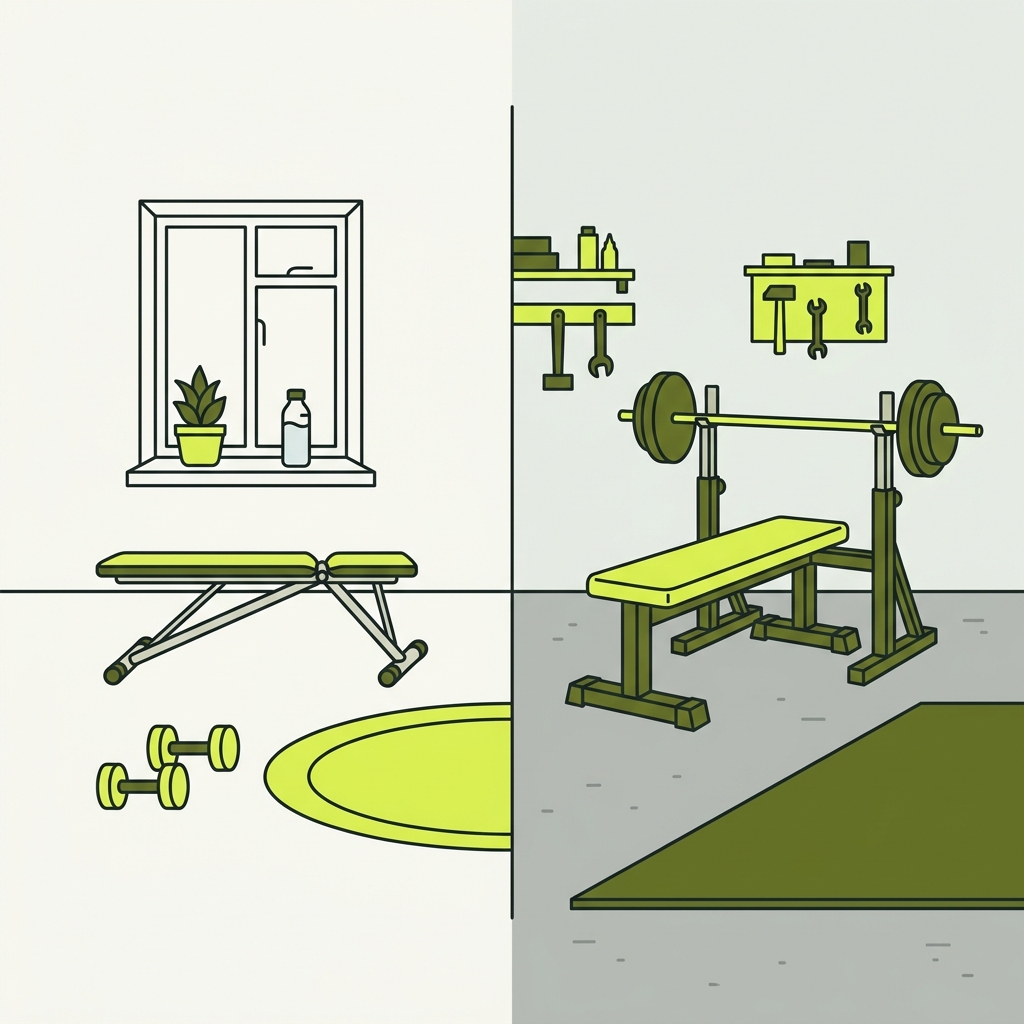
Step 1, measure for fit: sit on a prospective bench or measure from the floor to the pad height listed. Check that your feet can plant flat with your knees at a comfortable angle and that the pad width supports your shoulder line without letting your shoulders roll off the edge. If buying online, compare the stated pad height and width to these ergonomic benchmarks on the manufacturer page.
Step 2, rack and bar path clearance: place the bench where you will use it inside your rack or power cage and check that the bar moves on a comfortable path from unrack to lockout without striking the uprights. Measure the distance between the bench center and uprights to ensure the safest bar path and confirm enough headroom for incline pressing. Also verify storage footprint if the bench must slide or pivot when not in use.
Step 3, padding and pad length: longer pads help larger lifters maintain body contact for more movements; thicker, denser padding reduces bottoming out under load. Confirm the pad length supports your full torso and that seams or edges are placed where they will not interfere with pressing.
Common buying mistakes, testing before use and final decision checklist
Typical errors include buying a bench based only on price, choosing a model whose capacity barely matches the intended load, and assuming a foldable model will match the rigidity of a heavy-duty bench. A common safety step missing from many buyers lists is checking recall histories and product safety notices before use CPSC recall listings.
On-arrival inspection checklist
- Inspect welds and major joints for smooth, continuous penetration and no visible gaps.
- Test every locking position and adjustment setting for secure engagement and no wobble.
- Confirm the label or paperwork shows the stated capacity and keep that documentation with your equipment.
- Check padding thickness by pressing with your hand; dense foam resists quick bottoming out.
- Verify non-slip feet and test on the floor surface you will use; consider a mat if feet slide.
Final printable-style checklist to use when ordering or receiving a bench
- Capacity comfortably above combined body mass and planned external load
- Adjustment hardware type and build quality verified
- Pad height and width fit your body and rack layout
- No unresolved recalls or safety notices for the model
- On-arrival checks passed: welds, locks, padding and feet
If any box is unchecked, delay heavy loading until you confirm the issue is resolved. When in doubt, err toward a stronger, heavier bench frame rather than a lighter, compact model.

Frequently asked questions
How much weight capacity do I need on a home bench?
Add your body mass to the heaviest external load you will lift, then choose a bench rated comfortably above that combined number, with an extra safety margin.
Are foldable benches safe for heavy pressing?
Foldable benches are convenient for storage but often have lower load ratings and more flex; avoid them for frequent heavy pressing.
How do I check for recalls before buying?
Search the official CPSC recall listings and the manufacturer's support pages for recent safety notices before purchase or first use.
A safe bench is the foundation for steady progress. Use the checklist in this article, confirm recent recall information and choose a design built for the loads you intend to lift. When in doubt, prioritize a stronger frame and dependable locking hardware over the cheapest option.