The journal
Is RIR better than RPE?
A direct answer for lifters: when RIR or RPE works better, how to choose one for your next block, simple conversions, calibration steps and common mistakes to avoid.
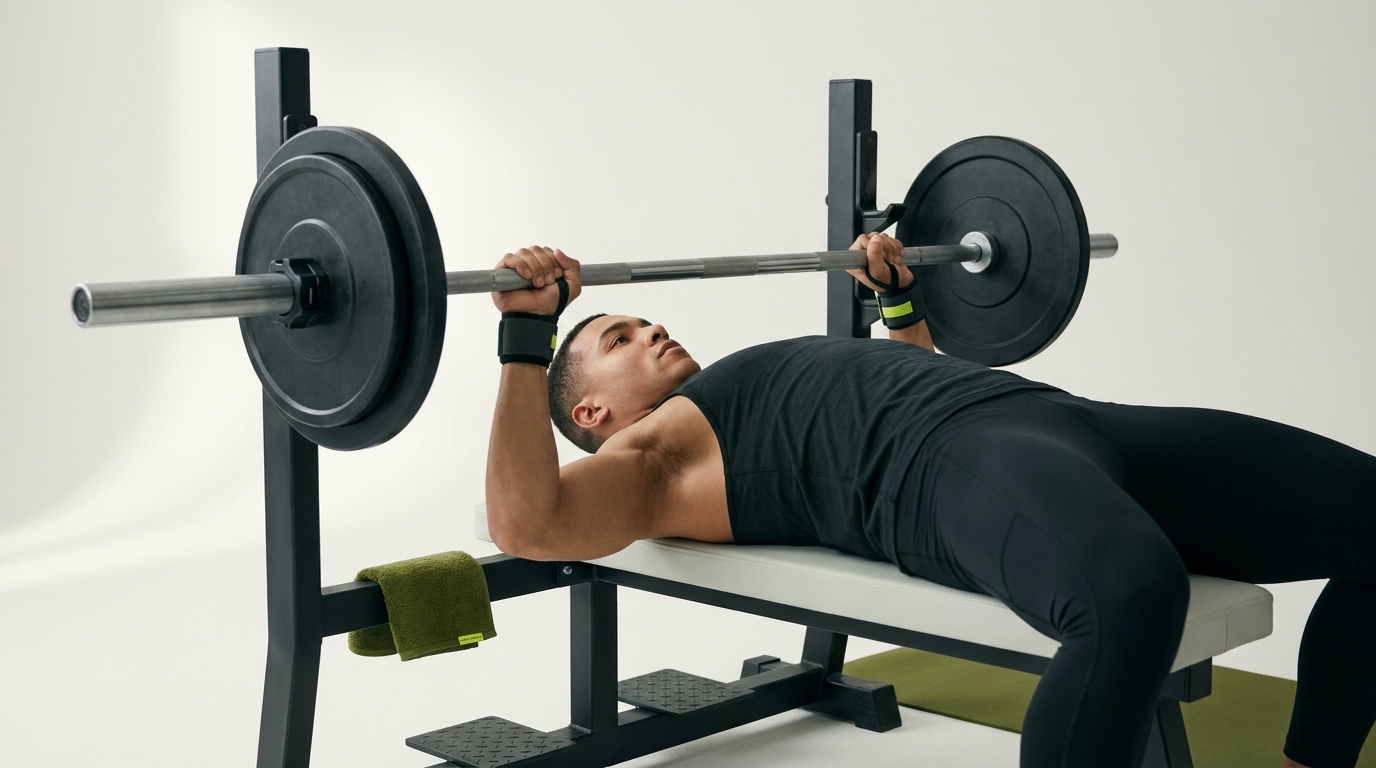
No. Neither RIR nor RPE is universally better. Both can guide productive training if you pick one method, calibrate it, and use it consistently. Evidence supports RIR-based ratings for prescribing intensity in resistance training, especially near failure, and shows that rating accuracy improves with experience and when sets are closer to failure (NSCA RIR-based RPE review). For many lifters, RIR feels simpler; RPE remains a useful shared language for programming and coaching. Choose the one you will apply well and validate with occasional check sets (NASM on RIR coaching).
What each method means and how they relate
- RIR (reps in reserve) estimates how many quality reps you had left at the end of a set.
- RPE (rate of perceived exertion) rates how hard the set felt on a 1-10 scale tied to proximity to failure in modern strength contexts.
- They map closely: a practical shorthand is RPE + RIR ≈ 10. For example, 2 RIR ≈ RPE 8 (RPE Training guide; Ekklo glossary).
When you might prefer one over the other
- Use RIR if you want a concrete, reps-left cue, especially on hypertrophy and accessory work. Many beginners find this easier to learn (RPE Training guide).
- Use RPE if you already speak in 1-10 targets, want to capture subtle day-to-day readiness on top sets, or you combine effort targets with percentage loading (MASS concept review).
- Either way, most productive strength and hypertrophy sets live within a few reps of failure; you rarely need true failure to make progress (NASM on RIR coaching).

How to choose for your next block
Pick one primary scale for 4-6 weeks. Calibrate it with periodic, safe check sets and keep notes. Accuracy improves with practice and when sets are closer to failure (NSCA RIR-based RPE review).
- For newer lifters or when simplicity matters, prescribe RIR targets on sets, for example 3x8 at 2-3 RIR (RPE Training guide).
- For advanced lifters, RPE targets can anchor top sets and back-off work, for example top single at RPE 8, then back-offs at RPE 6-7 (MASS concept review).
- Warm up well before effort-based work. If you need a quick primer, see What are some good 5-minute warm-ups to do before lifting weights?
- Match rests to the goal so sets reflect your intended proximity to failure. For guidance, see How long should I wait between sets for strength-training?
Calibration and conversion in practice
- Use the mapping only as a starting point: 3 RIR ≈ RPE 7, 2 RIR ≈ RPE 8, 1 RIR ≈ RPE 9, 0 RIR ≈ RPE 10 (Ekklo glossary; RPE Training guide).
- Validate with occasional test-to-technical-failure on a safe movement to compare your estimate with reality. Rating accuracy tends to improve as you approach failure and with training experience (NSCA RIR-based RPE review).
- Most sessions benefit from stopping 1-3 reps shy of failure to balance stimulus and recovery (NASM on RIR coaching).
Example use: Top set at RPE 8 on the main lift (about 2 RIR), then back-off sets at RPE 6-7 (3-4 RIR). Or, for hypertrophy accessories, 3-4 sets at 1-2 RIR to keep technique crisp while getting close enough to failure (MASS concept review).
Common mistakes and quick fixes
- Switching scales mid-block without re-calibration. Fix: stick to one primary scale for the block and document any conversions (RPE Training guide).
- Treating conversion tables as exact. Fix: start with RPE + RIR ≈ 10, then adjust per lift based on your check sets (Ekklo glossary).
- Not logging outcomes. Fix: record load, reps and your rating; compare across weeks to sharpen estimates (MASS concept review).
- Chasing failure too often on complex lifts. Fix: reserve 0 RIR for rare, planned attempts; use 1-3 RIR routinely (NASM on RIR coaching).
- Ignoring technique. Fix: end a set when form breaks, even if your rating target says another rep.
A simple, usable conversion
Use this as a starting heuristic and then personalize it with testing:
- RIR 3 ≈ RPE 7 (moderate-hard volume work)
- RIR 2 ≈ RPE 8 (common top-set target)
- RIR 1 ≈ RPE 9 (very hard; one clean rep left)
- RIR 0 ≈ RPE 10 (no reps left; true failure) (RPE Training guide)
Set up your next RIR or RPE block
Short FAQ
Is RIR easier than RPE for beginners?
Often yes. Estimating “reps left” is concrete for many novices, while RPE numbers make more sense after some practice (RPE Training guide).
Can I mix RIR and RPE in the same session?
You can, but it is cleaner to prescribe one primary scale per block and note conversions only where needed (Ekklo glossary).
How do I improve my rating accuracy?
Calibrate with periodic check sets, keep technique consistent, and rate sets closer to failure where accuracy is naturally higher (NSCA RIR-based RPE review).

Bottom line: pick the method you can apply consistently, validate it, and let your log guide small week-to-week adjustments.