The journal
Is a recumbent exercise bike better than a regular one?
A clear, practical answer to whether a recumbent or upright stationary bike is better, with when each makes sense, setup tips, and a quick chooser checklist.
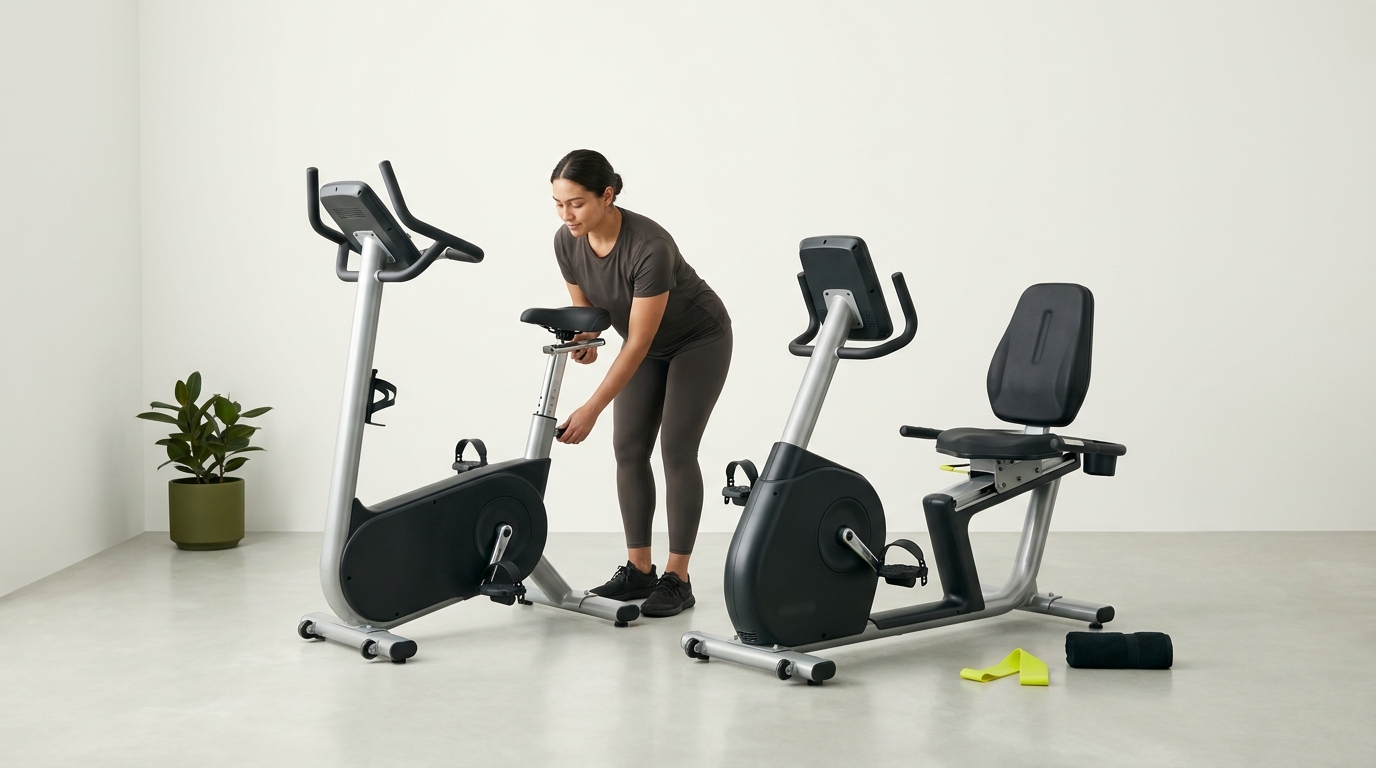
Short answer: neither is universally better. Recumbent bikes prioritize a supported, reclined position that many people find more comfortable for longer, low-impact sessions or when balance or back comfort is a concern, while upright bikes put you in a more vertical riding position and often fit a smaller floor space. Standing pedalling is a feature of certain indoor cycling bikes, not every upright exercise bike (Cardio Online: Upright vs Recumbent; NYTimes Well: Recumbent vs Upright).
When a recumbent is the better choice
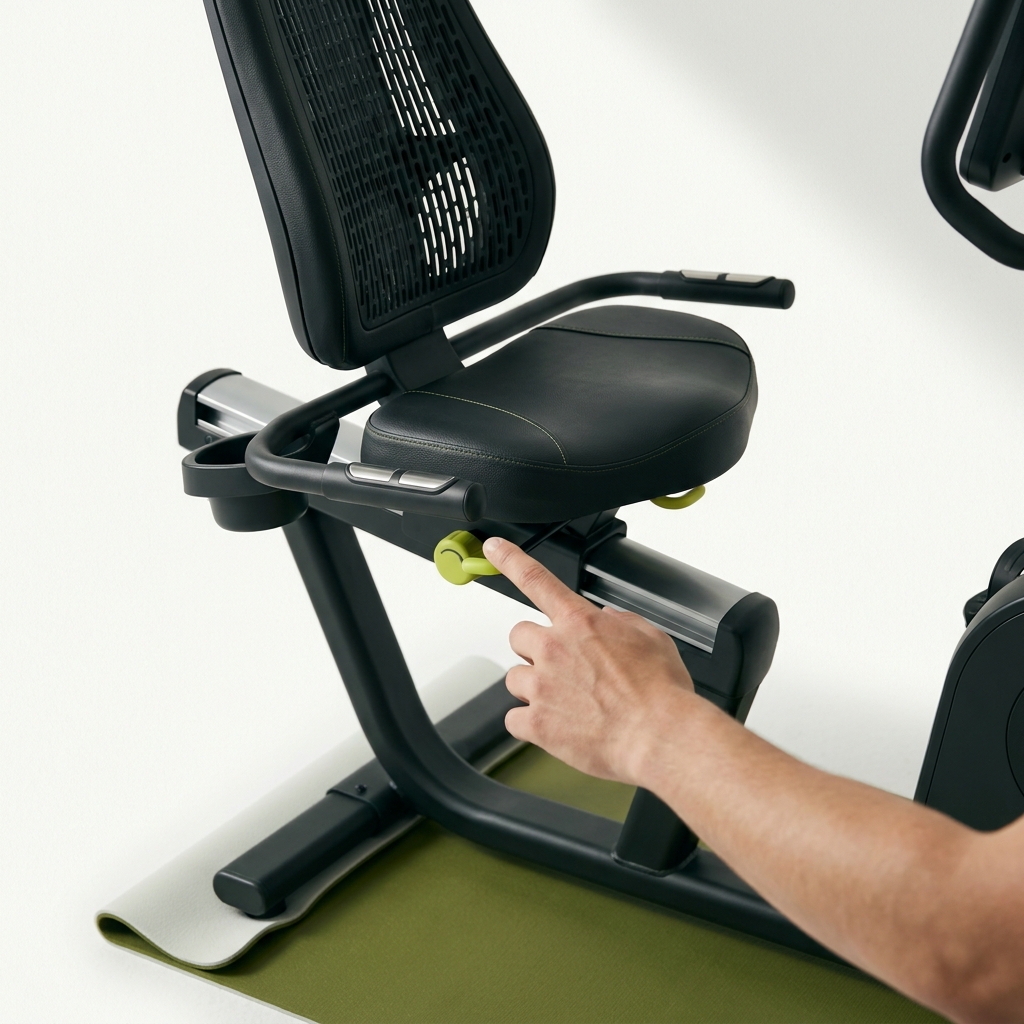
Comfort and support: A chair-like seat and backrest spread your weight and can reduce pressure on the hands and lower back. This setup is frequently recommended for people who value support or have balance concerns (NYTimes Well; Cardio Online).
Ease of mounting and stability: Recumbents sit lower and typically feel very stable, which some users find easier to get on and off and to balance during rides (Diamondback Fitness: Indoor Cycle vs Recumbent).
Longer, steady sessions: Many riders find it easier to sustain comfortable, steady-state cardio in the supported posture (Cardio Online).
When an upright is the better choice
Performance feel and flexibility: Some indoor cycling models allow varied hand positions and standing efforts. A conventional upright exercise bike may not; follow its manual and do not stand unless the manufacturer permits it (Cardio Online).
Broader muscle involvement at higher efforts: Posture and support change how the ride feels. Energy expenditure also depends on the actual workload, duration and rider; bike type alone does not establish which session burns more calories (NYTimes Well).
Smaller footprint: Many upright models take less floor space than comparable recumbents, which helps in tight rooms (Vanswe Fitness).
Comfort, setup and space: practical tips
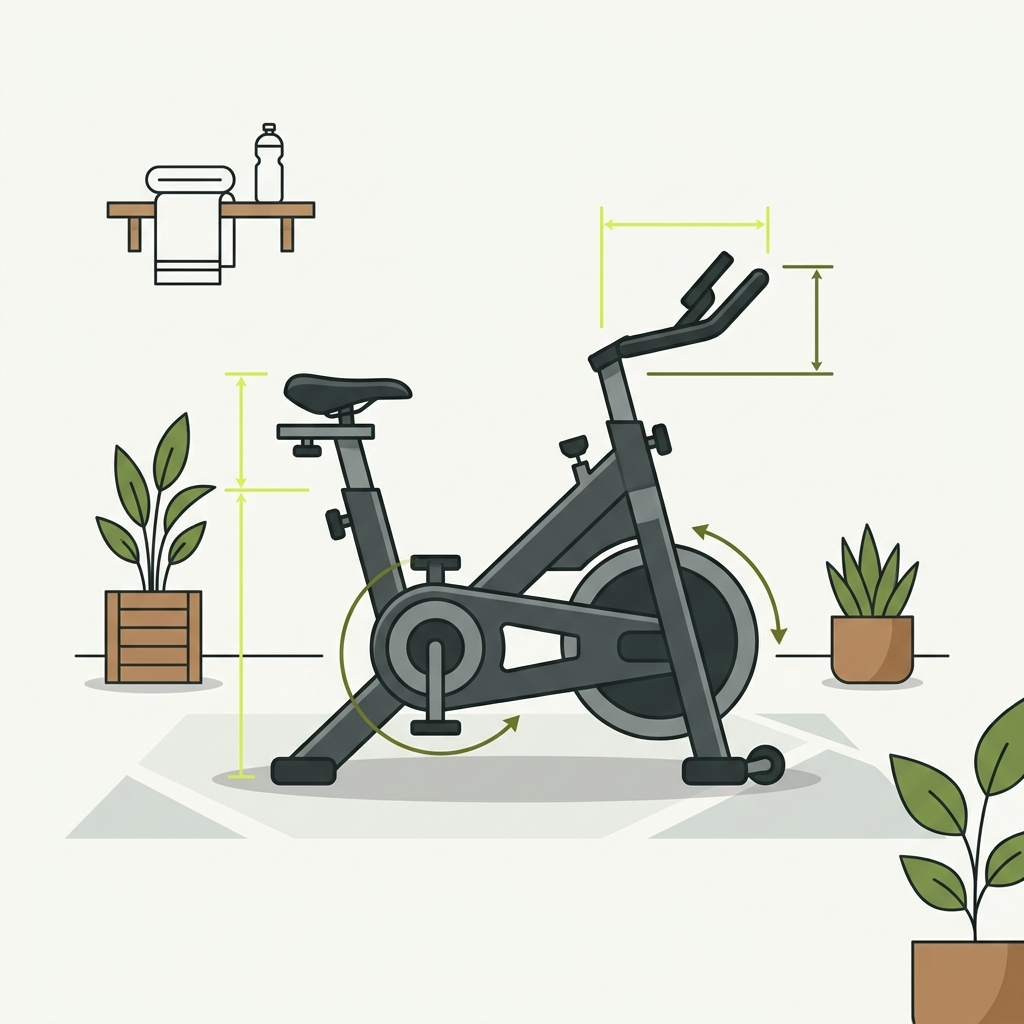
Fit matters more than bike type. A poorly set position can negate the comfort of a recumbent or make an upright feel harder than it needs to be. If you are going upright, start with a sensible seat height and reach, then fine-tune from there. Our simple guide walks you through it: How high should the seat be on a workout bike?. On a recumbent, adjust the seat so you can pedal smoothly without hunching or locking out; see The proper seat position on a recumbent bike.
Space check: Measure floor length before buying a recumbent. Uprights are typically easier to tuck into a corner, while recumbents often extend further front to back (Vanswe Fitness).
Common pitfalls to avoid
- Only cruising at very light resistance. Both designs allow resistance changes; choose an effort and progression suited to your plan rather than assuming harder is always better (Cardio Online).
- Letting posture slump. On uprights, poor posture increases discomfort; on recumbents, lounging with distractions can pull intensity too low (NYTimes Well).
- Skipping a short test ride. If possible, try each design for a few minutes. Comfort and confidence on the machine are strong decision signals (Cardio Online).
Quick chooser: which bike suits you today?
FAQ
Can I get a hard workout on a recumbent?
A recumbent can support demanding seated exercise, depending on its resistance range and your abilities. Increase effort only within an appropriate plan; a shared heart-rate target is not guaranteed by the equipment (Cardio Online).
Which burns more calories?
It depends on how hard you work. Compare actual effort and time rather than assuming an upright always burns more. A supported seat may let some riders exercise longer comfortably (NYTimes Well).