The journal
How to use sliders at home: setup, form and starter routines
A clear, practical guide to using exercise sliders at home: setup, technique cues, core and lower-body moves, two short routines, common mistakes and a simple checklist.
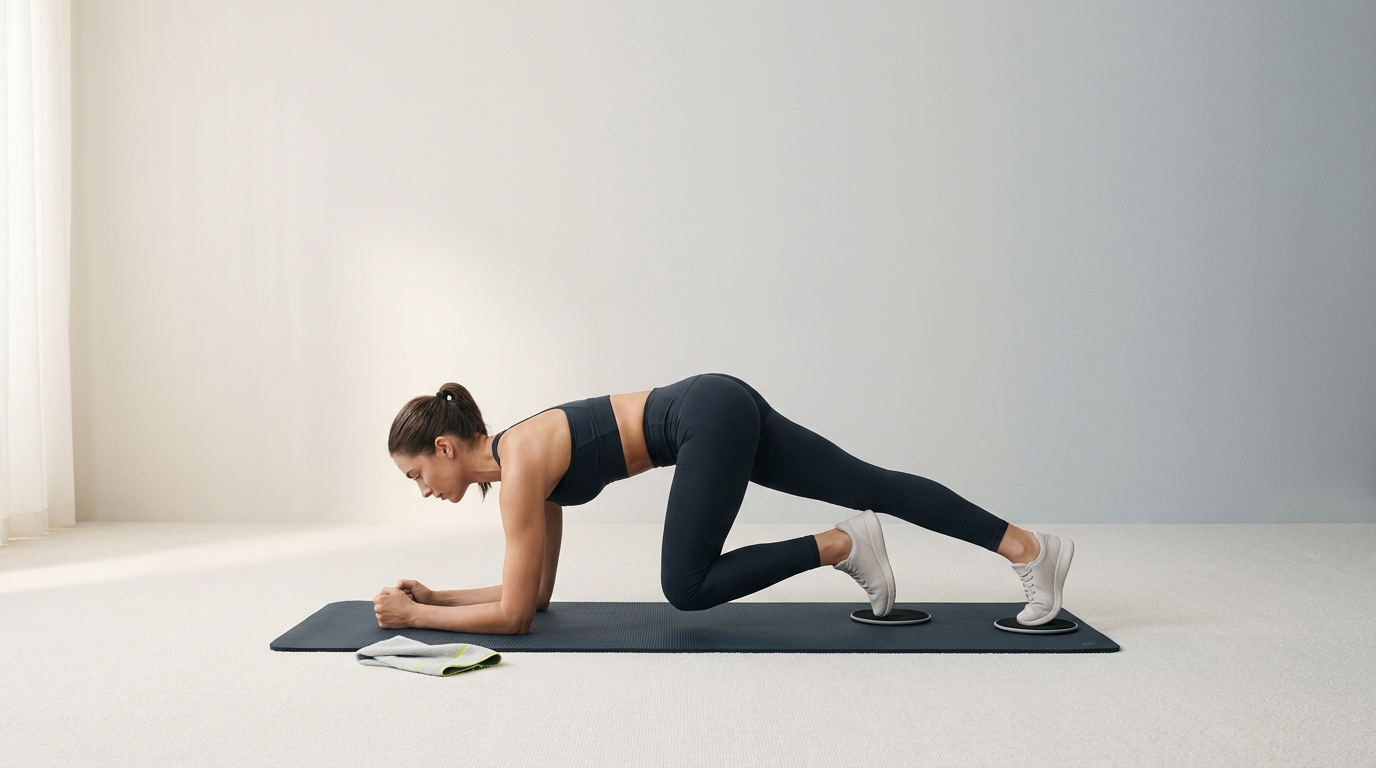
Short answer: place a slider under each hand or foot so they glide on the floor, then perform small, controlled movements while bracing your core and keeping your hips level. You can use dedicated discs or simple substitutes like towels on hard floors and paper plates on carpet to reduce friction and create the glide effect (SHEFIT, SELF).
What you need and how to set up
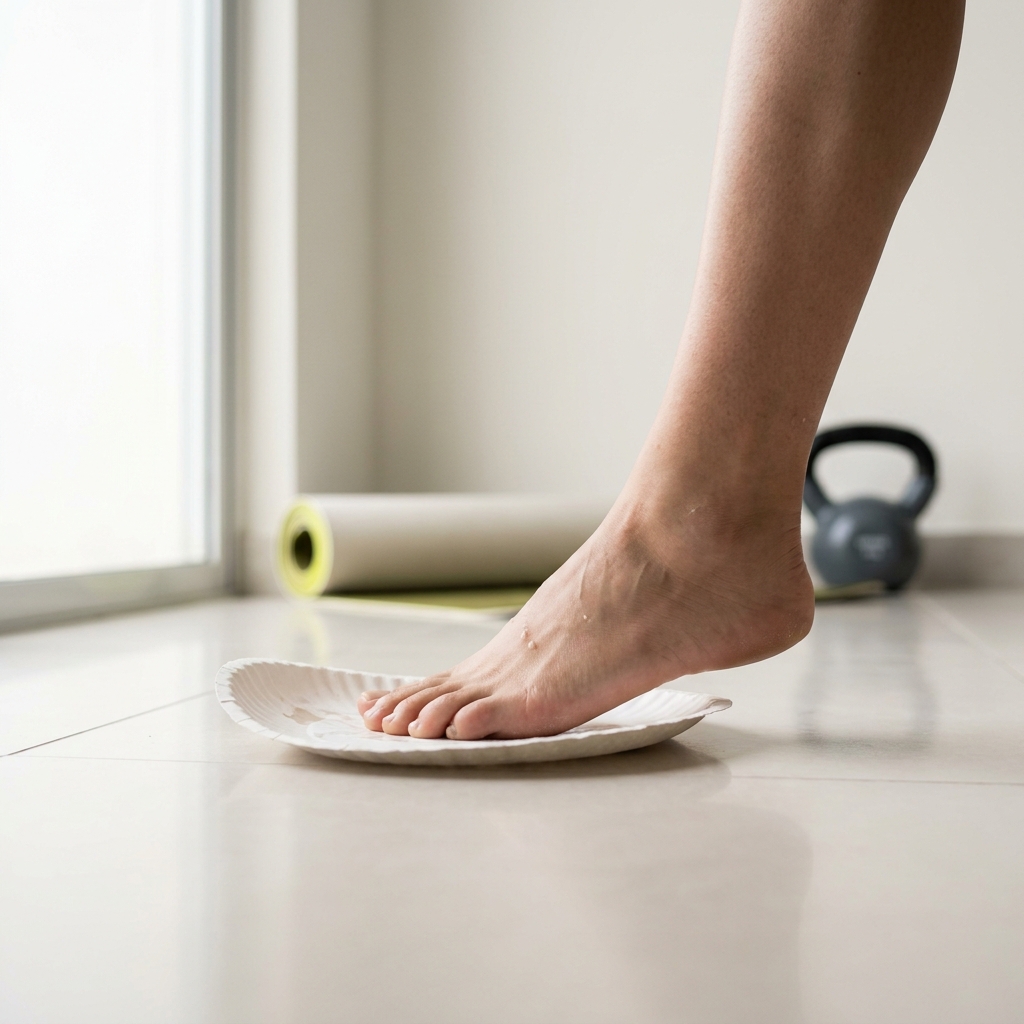
- Surface and equipment: sliders are small discs designed to slide on the floor. On hard floors, dish towels or socks can work; on carpet, paper plates can substitute (SELF, SHEFIT).
- Space: clear a small area you can move in safely and test one slow glide before starting sets.
- Why choose sliders: they add instability that challenges your core and stabilizers, and they’re compact and joint-friendly for low-impact sessions (TODAY).
Essential technique: core bracing, range and control
- Brace first: set a neutral spine, engage your abs, and keep hips level before each slide. In plank-based moves, avoid letting your hips sag (SELF).
- Short glides: start with small, controlled ranges and return to start under control. SHEFIT’s plank pike cues emphasize keeping a straight line and not arching the low back (SHEFIT).
- Tempo and breathing: move steadily; exhale during the hard part and avoid jerky speed that breaks form. Stop and regress if you feel sharp pain.
Core and upper-body slider drills
1) Plank knee tucks (beginner to intermediate)
Setup: high plank with a slider under each foot, shoulders over wrists. Action: pull both knees toward your chest, pause, then slide back to plank without dropping the hips. Keep your back flat and core engaged (SELF, TODAY).
2) Plank pikes (intermediate)
From a high plank, slide both feet toward your hands as your hips rise into a pike, then return slowly to plank while maintaining a long line through shoulders, pelvis and feet (SHEFIT, TODAY).
3) Push-up with hand or foot slide (intermediate)
Option A: sliders under hands, slide one hand slightly forward as you descend, return it as you press up. Option B: sliders under feet, perform a push-up and add a small outward-and-inward foot slide at the top. Keep core tight and avoid hip sway (SHEFIT, TODAY).
Quick form and setup checklist
Lower-body moves and two quick routines
Key lower-body exercises
- Sliding reverse lunge: stand with one foot on a slider; slide it back into a lunge, keeping the front knee stacked over the ankle, then pull back to stand (TODAY).
- Lateral lunge slide: with one foot on a slider, push hips back and slide that foot out to the side while the other leg bends, then pull back in (SHEFIT).
- Hamstring curls: lying in a bridge with sliders under heels, extend legs out and pull back in without dropping hips (TODAY).
Two beginner-friendly routines
12-minute circuit (3 rounds): 30 seconds plank knee tucks, 30 seconds sliding reverse lunges (alternate legs), 30 seconds hamstring curls, 30 seconds rest. Keep ranges short and focus on control (TODAY, SELF).
15-minute alternation (4 rounds): 40 seconds plank pikes, 20 seconds rest, 40 seconds lateral lunge slides (switch sides each round), 20 seconds rest. Reduce slide distance to scale (SHEFIT).
Want a fast warm-up first? Try a 5-minute option here: What are some good 5-minute warm-ups to do before lifting weights?
Common mistakes and safe progression
- Letting hips sag in planks or pikes. Keep core engaged and a straight line through head, hips and heels (SELF).
- Over-sliding early. Start with smaller ranges so you can return under control (SHEFIT).
- Rushing reps. Maintain steady tempo to avoid compensations.
- Progression ideas: lengthen the slide slightly, add a round, or extend work intervals once you can hold alignment.
For rest guidance between working sets, see: How long should I wait between sets for strength-training?
What can I use instead of sliders?
On hard floors, dish towels or socks can work. On carpet, paper plates often slide well. Always test a small glide first to confirm safe traction (SELF, SHEFIT).
Are slider workouts low impact?
Yes. The glide reduces impact on joints while still challenging stabilizers and the core (TODAY).
How often should I use sliders?
Begin with 1-2 short sessions a week to learn control, then add volume gradually as form stays consistent.

Start small, brace hard, and keep slides controlled. When in doubt, shorten the range and rebuild alignment before adding more time or rounds.