The journal
What is the talk test in fitness?
A clear explanation of the talk test for exercise intensity, with step-by-step use during cardio, how to apply it in intervals, when to cross-check with heart rate or RPE, and practical limits.
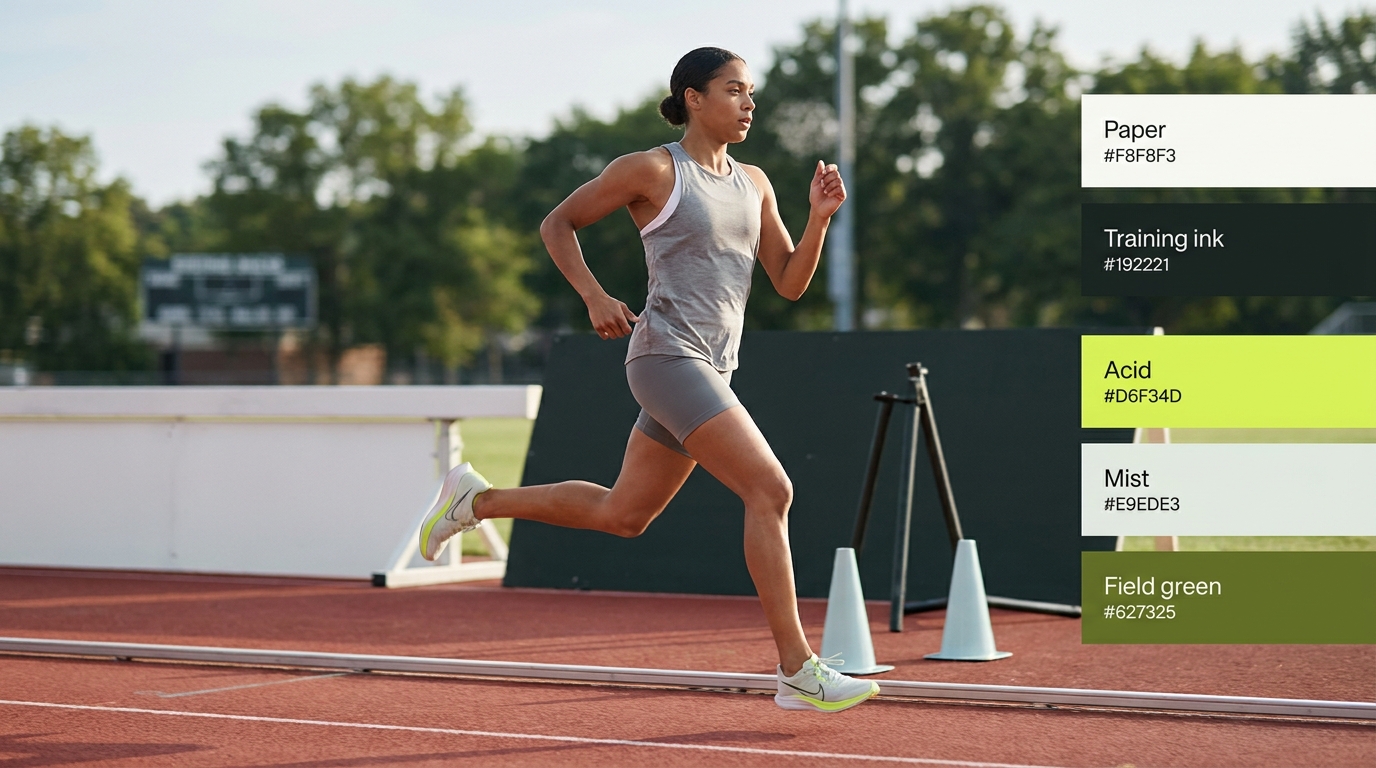
The talk test is a simple way to gauge aerobic exercise intensity by how comfortably you can speak: if you can talk but not sing, you’re at a moderate intensity; if you can only say a few words before pausing for breath, you’re at a vigorous intensity. This cue comes from public health guidance that links exercise intensity to breathing and heart rate increases during activity CDC guidance.
How the talk test works
As effort rises, your body increases breathing rate and depth to meet oxygen demand. The time you can speak comfortably between breaths shortens, so speaking in full sentences becomes harder. That is why your ability to talk maps onto exercise intensity CDC guidance. In practice, this makes the talk test a practical, relative-intensity cue you can use without equipment CDC guidance.

How to do the talk test during steady cardio
Simple steps you can use today
- Pick a short, familiar sentence you’d say at a normal conversational pace.
- Begin your walk, ride, or row. Once you have settled into a steady effort, say the sentence out loud.
- Classify the effort using the cues: full sentences but not singing ≈ moderate; only a few words before a breath ≈ vigorous CDC guidance.
- Adjust pace to match your goal intensity and recheck every few minutes as terrain or fatigue changes.
Using talk cues for intervals and groups
If your training plan includes intervals, compare speech during the work and recovery portions. The talk test describes effort; it does not establish that vigorous exercise is appropriate for every reader. This helps you self-regulate when you don’t have a heart rate monitor handy Science for Sport overview.
If you train with others, agree on a check-in phrase so everyone uses the same conversational pace. On routes with hills, expect the same speed to feel harder and push you toward the “few words” cue more often; for example, bicycling with hills is commonly vigorous CDC guidance.

When to cross-check with heart rate or RPE
The talk test is excellent for on-the-fly guidance, but it is not a precise zone prescription. If you need specific training zones or want to track progress, pair your talk-test result with heart rate or a rating of perceived exertion (RPE) during the same effort. Over a few sessions you’ll learn how your “full sentences” and “few words” map to your numbers, so you can train confidently even when tech is off or unavailable CDC guidance; Science for Sport overview.
Limits and common mistakes
- Use it for aerobic activities. The talk test is meant for aerobic intensity checks, not for brief sprints, heavy lifts, or explosive efforts CDC guidance.
- Keep your phrase and speaking pace consistent. Rushing the words or switching to a much shorter phrase can mislead your assessment.
- Expect less precision at the extremes. At very high intensities or in highly trained individuals, the talk test can be less specific, so rely more on HR/RPE cross-checks there Science for Sport overview.
Use the talk test on your next cardio session
Related setup guides you might find useful:
- How high should the seat be on a workout bike?
- Best foot position on a rowing machine: a simple, secure setup

Frequently asked questions
Do I need a specific sentence for the talk test?
No. Use any short phrase you know well and can say at a normal conversational pace. Consistency matters more than the exact words.
Can I use the talk test indoors on a bike or rower?
Yes. The cue is based on your breathing and ability to speak, so it works the same indoors or outdoors during aerobic exercise.