The journal
How long does it take to see progressive overload? Practical timelines and a tracking plan
how to track progressive overload with clear metrics and a 4 to 12 week monitoring plan to confirm strength and hypertrophy progress.
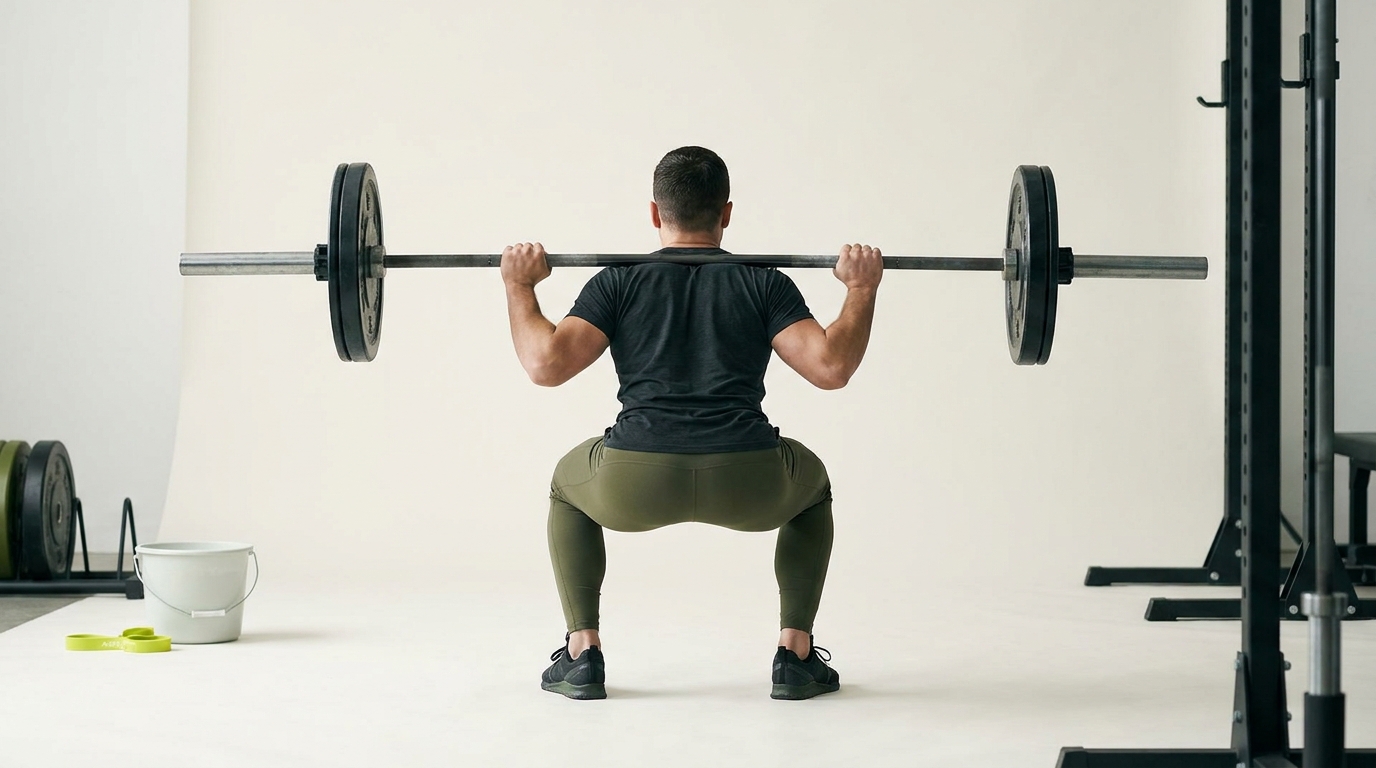
What progressive overload is and when you typically notice it
Progressive overload means consistently increasing the training demand over time so your body adapts, and learning how to track progressive overload helps you see whether those increases actually produce results.
At a practical level, progressive overload requires repeated increases in weight, reps, sets or training difficulty while keeping technique and range of motion consistent. See our progressive overload guide. When you standardize execution across sessions, improvements in load or reps become interpretable and meaningful.
Beginners usually see strength gains before visible size changes; early strength rises are often driven by neural adaptations and can appear within about two to four weeks of starting a structured program, especially when effort and volume are appropriate, as summarized in professional guidance on resistance training ACSM guidance.
Muscle hypertrophy, meaning a noticeable increase in muscle size, usually requires longer, commonly in the range of six to 12 weeks of consistent, progressive resistance training before changes are reliably observable in most practical settings, according to recent time-course reviews Sports Medicine systematic review.

For trained lifters the timeline is slower. Progress still happens, but gains are smaller and require more precise micro-increments, such as 1 to 2.5 percent increases in load or gaining one to two extra reps over several weeks, rather than the larger jumps typical in early training stages ACSM guidance.
Put another way, expect early strength improvements first, then measurable size changes with continued overload and sufficient weekly volume, and track relevant indicators rather than relying solely on short-term impressions.

How to measure progressive overload: reliable metrics and what they tell you
External load metrics: load, reps and weekly volume-load
The simplest external signs of progressive overload are increases in the load you lift, or in the number of reps you perform at the same load and perceived effort; logging these across sessions makes trends visible and comparable if your setup and range of motion remain constant Sports Medicine monitoring review, and related work on load monitoring methods.
Calculating weekly volume-load, which is sets times reps times load for a chosen exercise or muscle group, helps you capture total weekly stimulus that drives hypertrophy more than the exact distribution of sets across days, provided volume is matched and execution is consistent Sports Medicine monitoring review.
Internal load: session-RPE and perceived effort, how to track progressive overload
Session-RPE is a simple internal-load tool: you record the workout's overall perceived exertion on a scale and multiply by session duration or number of sets to get a single metric that reflects internal strain; tracking session-RPE alongside external numbers lets you tell whether larger loads are matched by reasonable effort or just higher fatigue Sports Medicine monitoring review. The session-RPE method itself is reviewed in the literature session-RPE method review, and work on the validity of RPE scales is relevant. See our workout log guide for a simple recording format.
Using session-RPE in combination with load and reps provides a practical early-warning system: if load rises but session-RPE climbs disproportionately, you may be increasing fatigue rather than long-term productive overload.
Velocity: what bar speed adds to the picture
Bar or movement velocity at a fixed load offers an objective external marker: faster velocity at the same weight indicates improved neuromuscular capacity and can confirm progressive overload alongside rep and load trends, particularly useful for trained lifters where small changes matter Frontiers in Physiology velocity evidence.
Velocity metrics are most informative when technique and range of motion are tightly standardized; without consistent mechanics, changes in speed can reflect setup differences rather than true performance improvements.
A simple 4 to 12 week framework to track overload
Begin by establishing a practical baseline, such as a recent working set that feels challenging but reproducible, and an estimated one-rep max or 3 to 5RM if you use such tests. Record that baseline for the key lifts you plan to monitor.
Choose at least two primary indicators to follow concurrently, for example weekly volume-load plus session-RPE, or load plus average rep velocity; tracking two signals reduces the chance you will mistake noise for real progress.
How long does it take to see progressive overload?
Early strength gains can appear within two to four weeks, while measurable hypertrophy typically requires six to 12 weeks or more; confirm overload by tracking multiple indicators across a four to 12 week block.
Set a weekly logging routine: for each tracked lift record date, load, sets, reps, a session-RPE for the session or per lift, and a simple velocity estimate if you have the tools. Add a running weekly total of volume-load so you can compare weeks easily.
Progression rules should match training status: beginners can increase load when they can perform the top of their target rep range for all sets with good form; intermediate and advanced lifters should prefer micro-increments of about 1 to 2.5 percent load or aim to add one to two reps over several weeks while watching session-RPE and velocity signals ACSM guidance. See related structured workouts if you want ready-made plans.
Plan checkpoints every four weeks to review your chosen indicators. If two indicators move positively, continue the plan. If indicators stall or diverge, adjust volume, proximity to failure or technique before changing the core program variables.
Decision criteria: telling real progress from noise
Triangulation is the core rule: declare progressive overload only when at least two independent indicators show an upward trend across a 4 to 12 week block, for example heavier loads plus lower session-RPE at the same weight, or more reps plus faster velocity at a fixed load Sports Medicine monitoring review.
Be aware of measurement limits for body composition. Tools such as DXA and ultrasound have precision boundaries, so small short-term changes in lean mass may be indistinguishable from measurement error and are more reliably assessed after about eight to 12 weeks of consistent training Frontiers in Nutrition DXA review.
When deciding whether to change the program, prioritize increasing weekly volume or improving proximity to failure before altering frequency; meta-analytic evidence suggests frequency matters mainly through its effect on total weekly volume, so keep volume and effort in focus Sports Medicine frequency meta-analysis.
Common mistakes that hide progress or create false positives
Changing technique, range of motion, grip or rep tempo between tests can mask true progress. A wider range of motion or different bar path can reduce or increase reps without a real change in strength, making comparisons invalid; standardize your setup for each logged lift to preserve comparability Sports Medicine monitoring review.
Relying on a single metric or on very short observation windows increases the risk of false positives or false negatives. Small weekly swings are normal; use multi-week trends rather than single-session changes.
quick session logging fields to capture external and internal load
Insufficient weekly volume or failing to push close enough to failure are common reasons a program does not produce hypertrophy. Ensure you are performing enough working sets per muscle group per week and that at least some sets approach the intended effort level for the adaptation you want ACSM guidance.
Practical examples: sample logs and an 8-week tracking plan
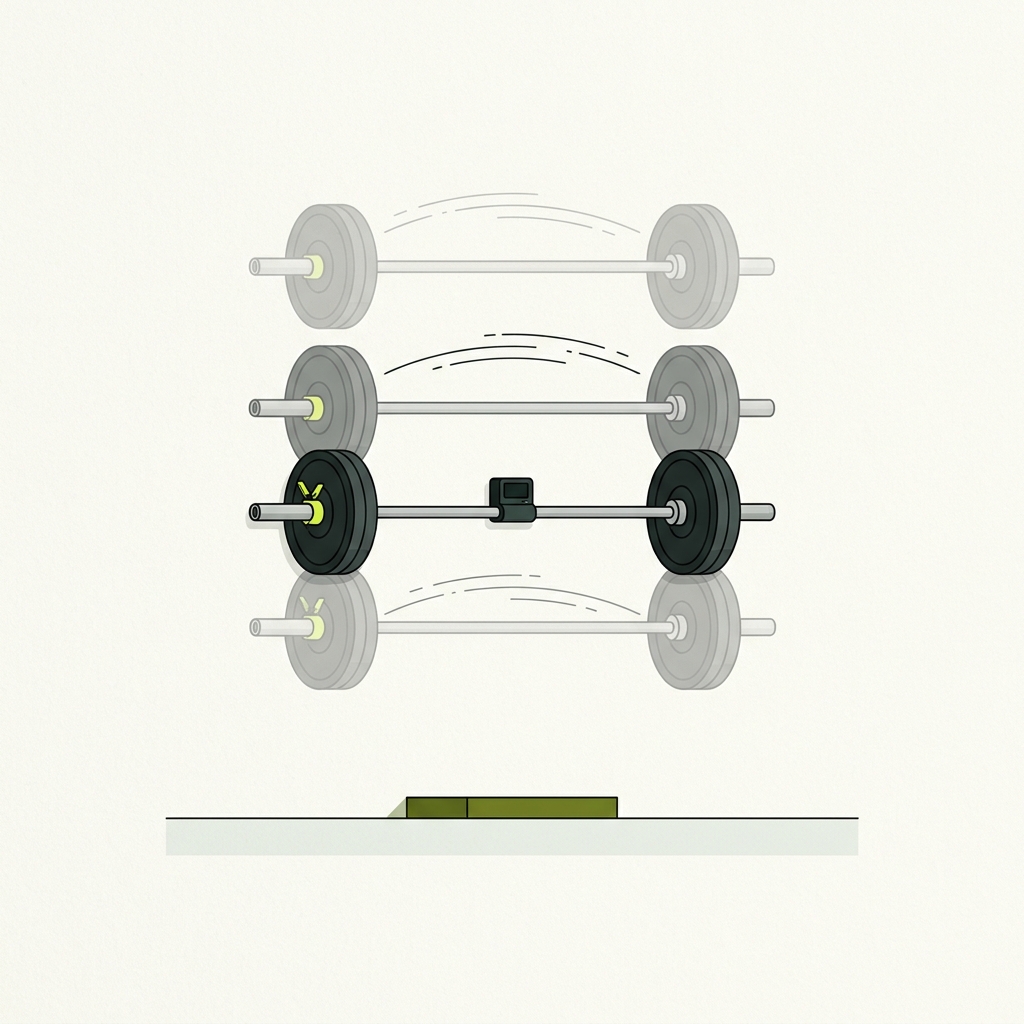
Beginner example, weeks 1 to 8: track squat working sets with load, reps and session-RPE. A practical beginner pattern is to increase load when you hit the upper end of your rep range across prescribed sets, observing early strength increases in the first two to four weeks and gradual size changes later; keep a weekly volume-load tally to verify the stimulus is growing Sports Medicine systematic review.
Here is a compact sample log style for a single lift over a week: record each session line with date, load, sets, reps, session-RPE and sum the weekly volume-load. Over eight weeks you should see a trend where weekly volume-load rises and session-RPE for matched loads trends down or stays stable, indicating productive adaptation rather than accumulating fatigue.
Intermediate example, weeks 1 to 8: an intermediate trainee may rely more on micro-increments and velocity. Track a matched test set at a fixed weight each week, noting reps, session-RPE and bar speed. Improvement might look like the same reps at a lower RPE or slightly faster velocity, or successful addition of small loads when velocity and RPE indicate readiness Frontiers in Physiology velocity evidence.
Reading the log: if load and reps rise together while session-RPE remains steady or falls slightly and velocity improves, that is a strong signal of overload. If load increases but session-RPE jumps and velocity falls, that suggests rising fatigue and may call for reduced volume or a short deload.
Stopping rules and adjustments: increase load when primary indicators show clear improvement, add volume if strength is steady but size goals are unmet, and schedule a deload when session-RPE or velocity show persistent decline despite recovery efforts. Use a minimum block of four weeks to judge trends, with eight to 12 weeks offering greater confidence, especially for composition changes.
Frequently asked questions
How soon will I notice strength gains?
Beginners often see strength gains within about two to four weeks due to neural adaptations, while noticeable muscle size changes usually take longer, commonly six to 12 weeks of consistent training.
What is the simplest way to start tracking overload?
Begin a weekly log noting load, sets, reps and session-RPE for a few key lifts and track weekly volume-load to observe trends across at least four weeks.
Can I rely on scale weight or photos to confirm overload?
Scale weight and photos can help but are noisy; triangulate with load, reps, session-RPE or velocity over multiple weeks for reliable confirmation.
Consistent, standardized tracking across at least a four week block will reveal whether your program is producing progressive overload. Use multiple indicators, be patient about composition changes, and prioritize weekly volume and effort over arbitrary session counts. If you follow the simple logging and decision rules here, you will reduce guesswork and make data-based choices about when to increase load, add volume or schedule a deload.
References
- https://repandrange.com/guides/progressive-overload
- https://journals.lww.com/acsm-msse/pages/default.aspx
- https://sportsmedicine-open.springeropen.com/
- https://link.springer.com/journal/40279
- https://www.frontiersin.org/journals/physiology
- https://www.mdpi.com/2076-3417/14/22/10465
- https://pmc.ncbi.nlm.nih.gov/articles/PMC5673663/
- https://journals.sagepub.com/doi/10.1177/19417381241260412
- https://repandrange.com/guides/workout-log
- https://repandrange.com/workouts
- https://www.frontiersin.org/journals/nutrition