The journal
The best way to clean gym mats
Clear, material-specific steps to clean rubber, foam and vinyl exercise mats without damaging them.
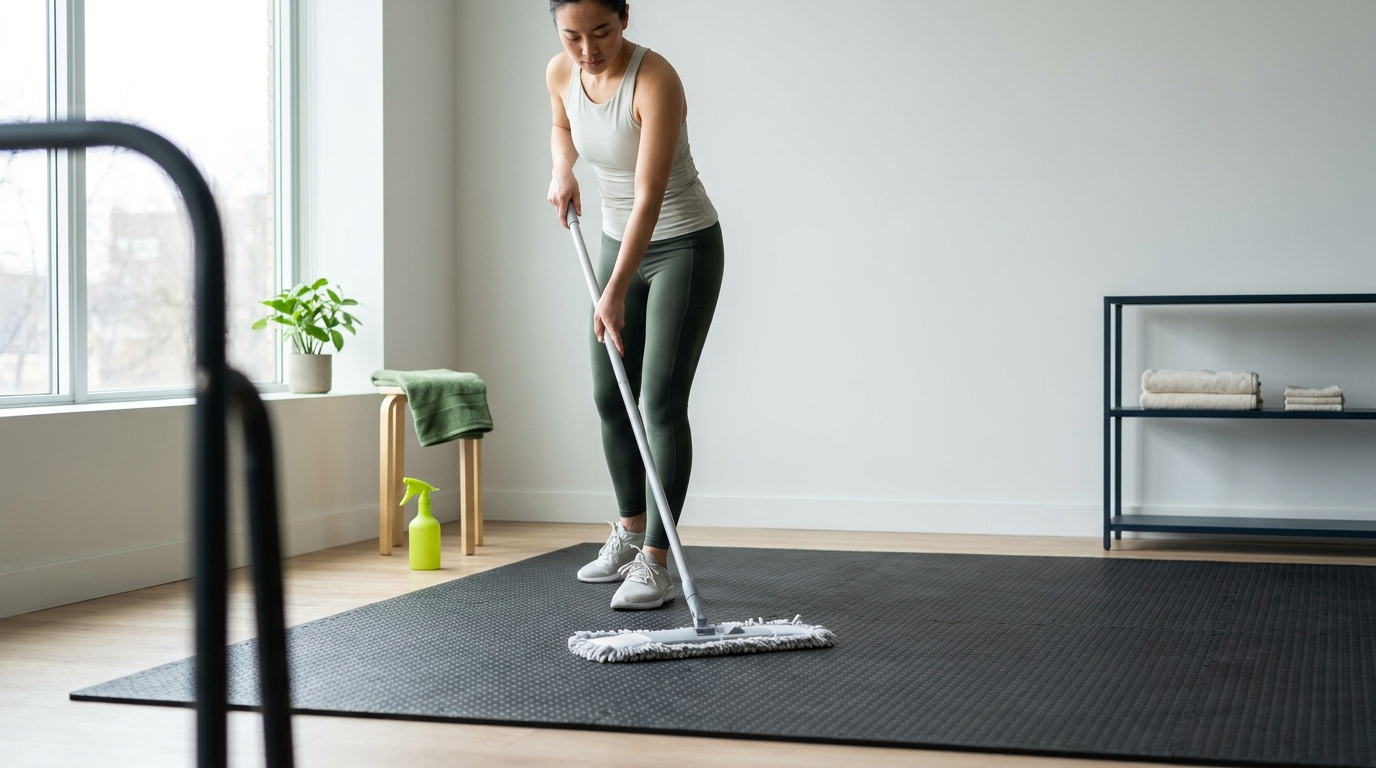
Use a damp wipe or mop with a cleaner suited to your mat’s material, remove loose debris first, and let the mat air dry fully before reuse. Check the exact surface and backing before choosing a cleaner; a compatible neutral-pH cleaner is a common option for rubber flooring, but a method for floor tiles is not automatically suitable for a yoga mat. Always follow your manufacturer’s care instructions.
Start with the label and a simple routine
There isn’t one process for every exercise mat. Both equipment makers and flooring vendors recommend checking the maker’s cleaning instructions first and then tailoring frequency to how much you use the mat. In a home gym, wipe after sweaty sessions and deep clean weekly; commercial areas often need daily cleaning and scheduled deeper work (Greatmats cleaning guide). Sweep or vacuum before wet cleaning to avoid grinding grit into the surface; this is also the first step recommended for rubber tile floors (BLK BOX rubber tiles guide).
Material-specific cleaning steps
Rubber flooring and EVA foam are different materials
- Routine clean: Damp mop with a compatible neutral-pH cleaner at the dilution and water temperature permitted by the maker, then allow to dry before use (Greatmats).
- What to avoid: Non-acidic, non-acetone agents are advised; avoid acetone and turpentine and test any solution in a hidden spot first to prevent damage (BLK BOX).
- Product-specific exceptions: a cleaning option published for one brand’s rubber floor tiles does not establish compatibility with other rubber or foam products (BLK BOX). Use only where your manufacturer permits vinegar.
- Extra tip: Chalk can leave difficult marks on some rubber finishes; follow the flooring maker’s guidance and clear residue promptly (BLK BOX).
Vinyl-covered foam
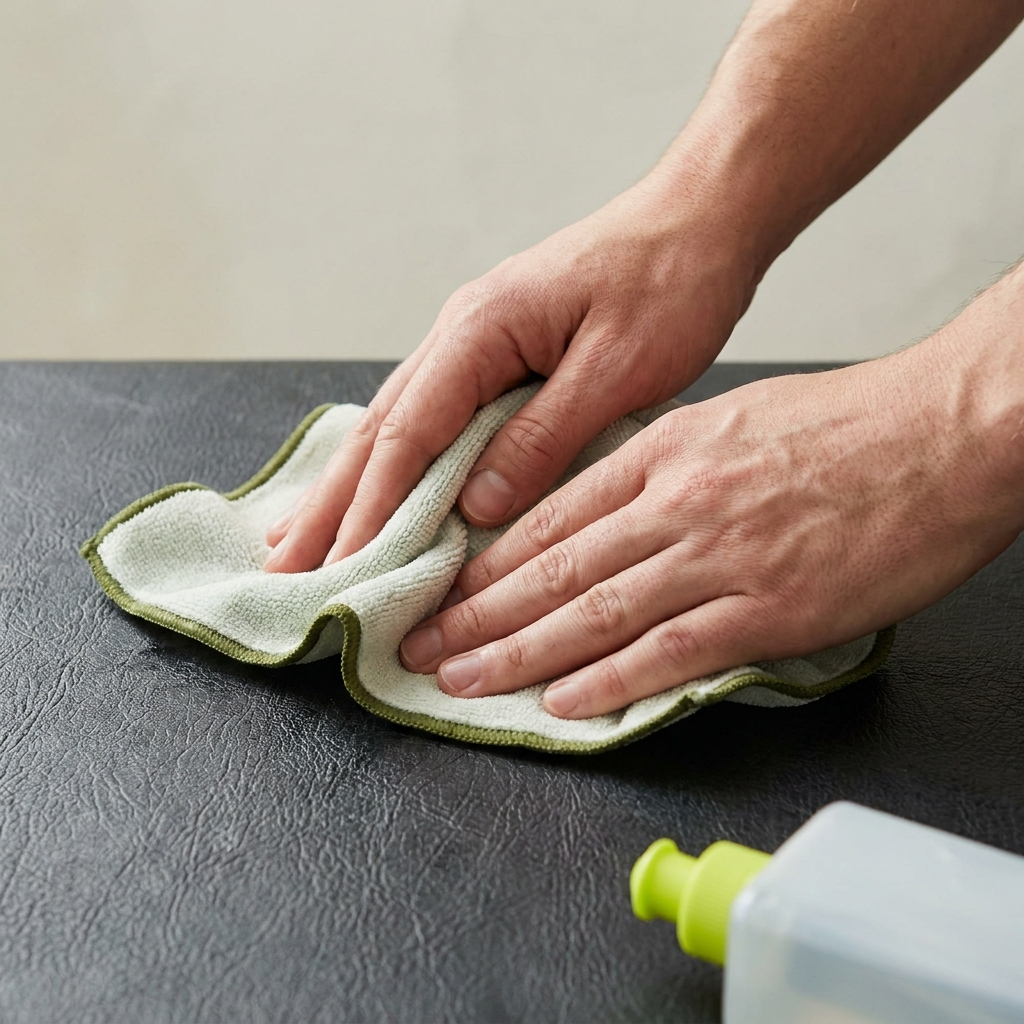
- Blot spills promptly, then let the surface dry naturally. Hand wash spots with a sponge and hot water using minimal water so liquids don’t seep into the foam (Greatmats).
- Do not use bleach unless the mat maker and cleaner label explicitly permit the material and dilution (Greatmats).
PVC or plain vinyl mats
- Sweep or vacuum first, then damp-clean with the approved method, avoiding excess water at seams or foam backing; air dry before use (Greatmats).
- For stains: Rinse, apply a diluted cleaner and follow the cleaner label’s specified contact time, scrub with a soft brush, wipe with a microfiber towel, rinse thoroughly, and air dry (Greatmats).
Carpet-bonded foam
- Vacuum to remove debris; treat stains with a rag and a carpet cleaner. Scuffs can occur if used with athletic shoes; carpet cleaner may help (Greatmats).
Interlocking foam tiles
- Vacuum regularly; damp mop with a compatible cleaner and the label’s water temperature as needed. If you remove tiles to wash outdoors, ensure they are completely dry before reinstalling (Greatmats).

Drying, storage and frequency
- Let mats air dry completely before using or stacking; Greatmats emphasizes drying before reuse and reinstallation across materials (Greatmats).
- Adjust cleaning frequency to usage intensity and foot traffic; both guides recommend increasing cleaning with heavier use (Greatmats), (BLK BOX).
- Entrance rugs can help reduce tracked-in grit on rubber tile floors (BLK BOX).
Cleaner choices and mistakes to avoid
- Rubber surfaces: Avoid harsh solvents (like acetone and turpentine) and strong acidic cleaners; use non-acidic, non-acetone agents and spot test first (BLK BOX).
- Vinyl-bonded foam: Use only an explicitly approved cleaning or disinfecting product and dilution (Greatmats).
- Tool speed: If you use powered wet vacs or scrubbers on rubber, follow low-speed guidance to avoid surface damage (BLK BOX).
- When in doubt: Refer to your manufacturer’s instructions before introducing disinfectants or new chemicals (Greatmats).
Quick mat-cleaning checklist
FAQs
Is vinegar safe on rubber mats?
Only where the maker permits it for the exact product. Do not transfer a rubber-floor-tile recipe to an exercise mat with a different finish, backing or care label (BLK BOX).
How often should I clean my home exercise mat?
Lightly wipe after sweaty sessions and deep clean about weekly at home; plan daily cleaning for shared or commercial spaces (Greatmats).
If your training uses a yoga mat specifically, see our mat-specific advice: Do yoga mats need to be washed? For other gear care, you might also like: Can you wash resistance bands?